
ClarityX (2026): What If Your Medication Came With a Genetic Roadmap?
When I hear DNA testing, I usually think about ancestry, family history or discovering something about where you came from. Medication isn’t the first thing that comes to […]
When I hear DNA testing, I usually think about ancestry, family history or discovering something about where you came from.
Medication isn’t the first thing that comes to mind.
That’s why ClarityX caught my attention.
Instead of looking backward at your family tree, ClarityX uses pharmacogenomic testing to examine genetic differences that may influence how the body processes or responds to certain prescription medications.
The idea is surprisingly straightforward:
Your genetics are unique. So why would everyone necessarily respond to the same medication in exactly the same way?
Once I started looking into how ClarityX works, that question became the most interesting part of the entire platform.
The Entire Process Starts With a Simple Cheek Swab
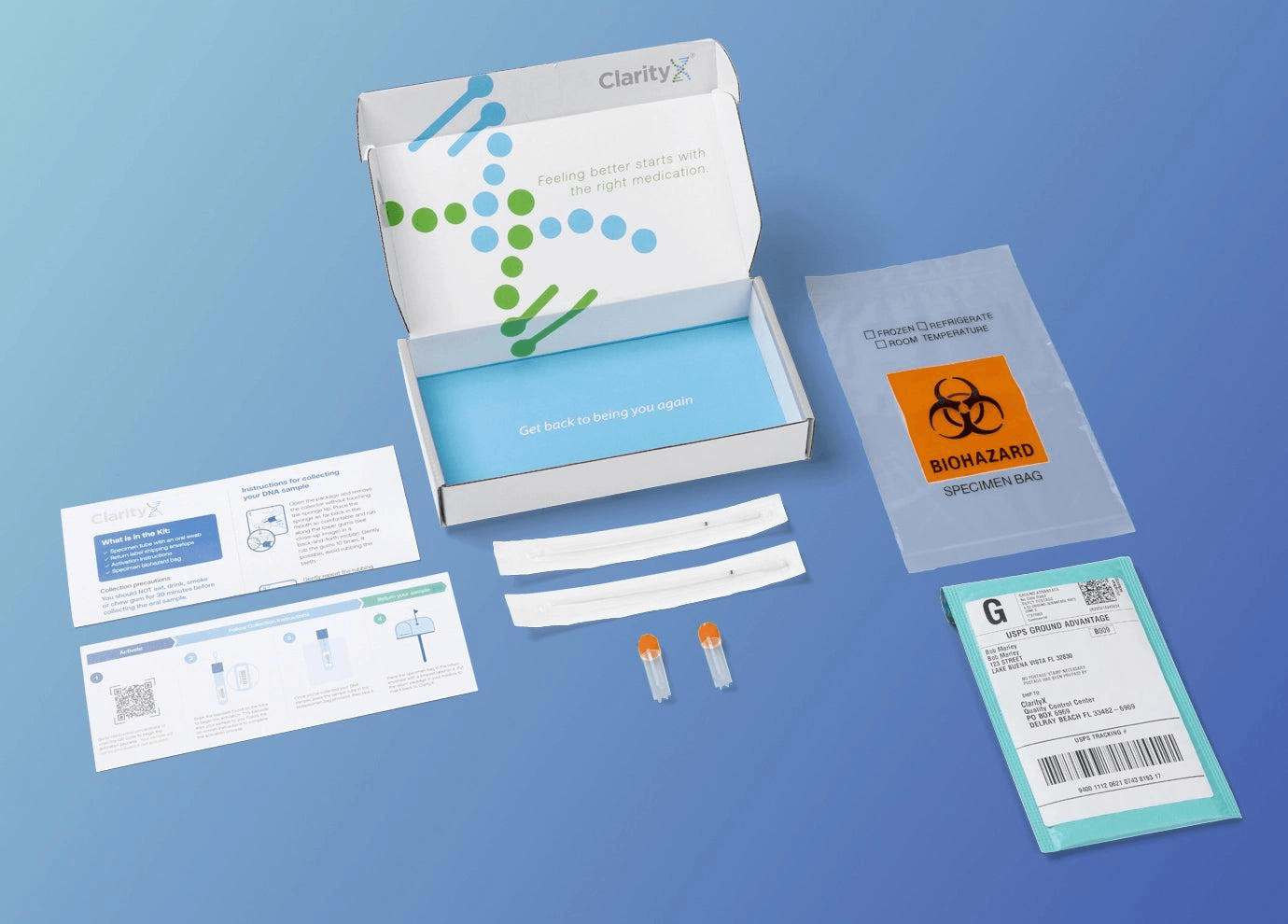
For something involving genetics, the actual testing process is remarkably simple.
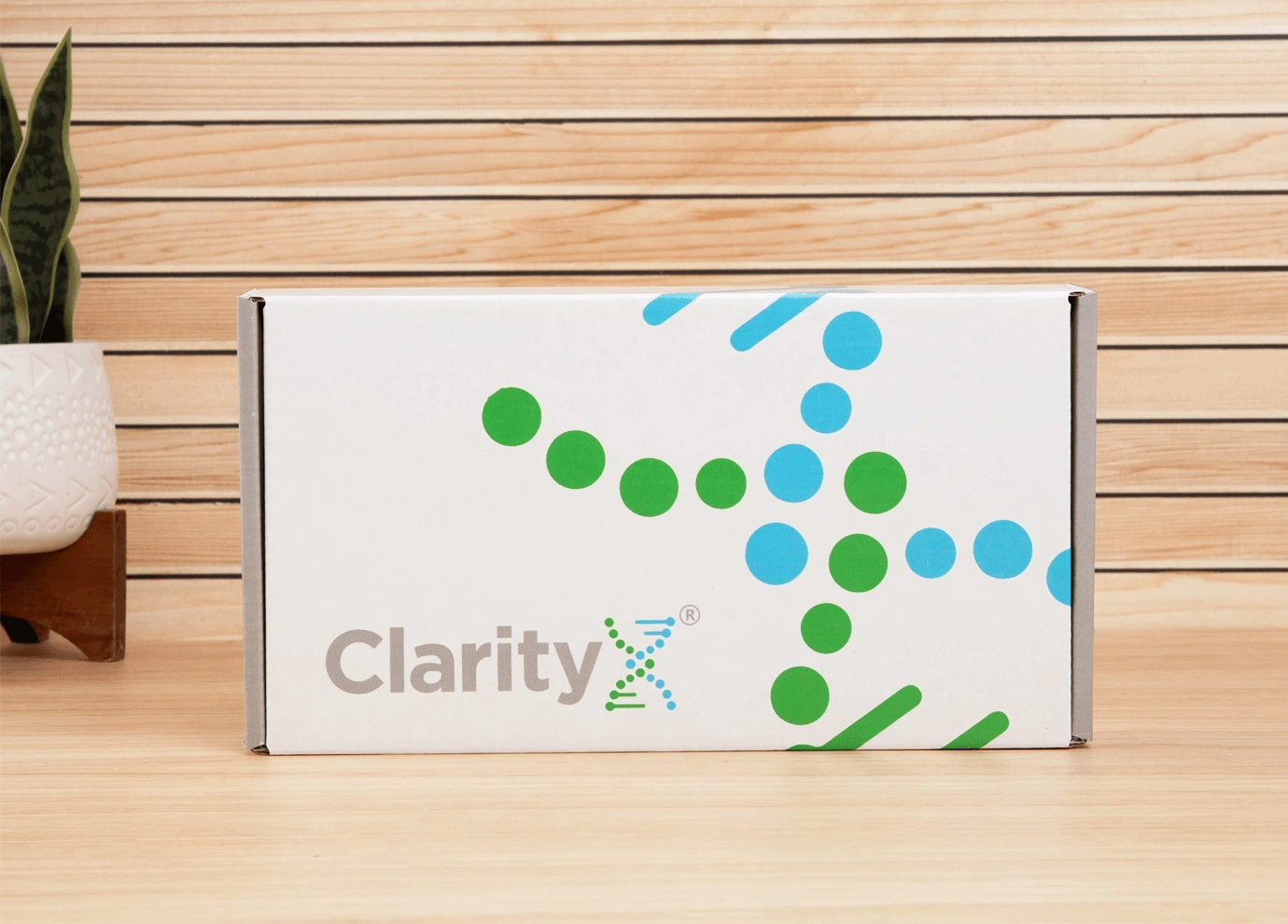
ClarityX uses an at-home cheek-swab collection kit.
After the sample is collected and returned for laboratory analysis, the company examines clinically relevant genes associated with areas such as medication metabolism, response and safety.
Results are then delivered through a secure patient portal.
ClarityX currently says results for its Mindwell® and Max Rx® tests are typically available within 5–10 business days after the laboratory receives the sample.
The laboratory facilities used for ClarityX testing are also listed as CLIA-certified and CAP-accredited.
That’s quite a lot of information to potentially come from one cheek swab.
Understanding Pharmacogenomics Changed How I Looked at the Test
This is where ClarityX becomes more interesting than a typical consumer DNA test.
Pharmacogenomics, often shortened to PGx, looks at how variations in genes can influence responses to medications.
A person’s genetics can sometimes affect things like how a medication is metabolized or whether particular gene-drug considerations are relevant.
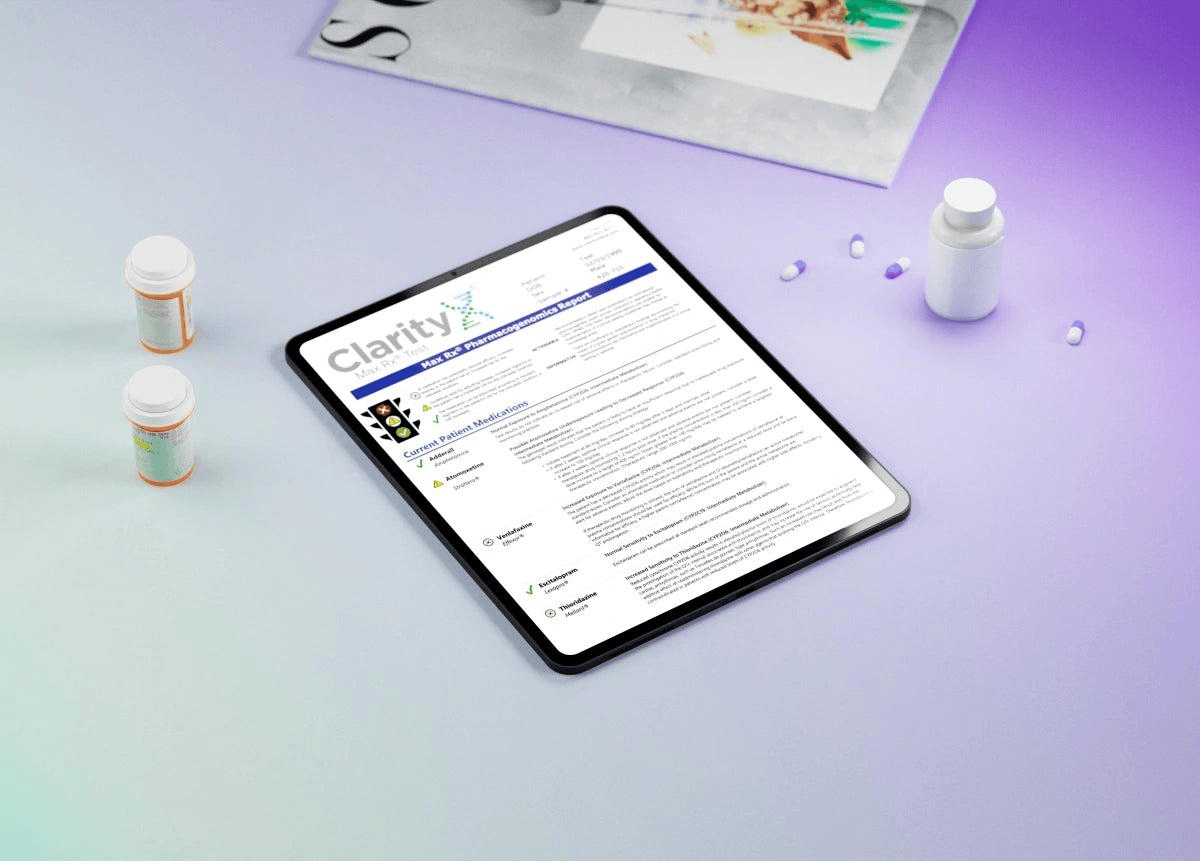
ClarityX analyzes those relationships and organizes the findings into a personalized report.
The important distinction is that this isn’t a test that simply spits out:
“Take this medication.”
Instead, the results are designed to provide additional information that can be discussed with a healthcare professional when making medication decisions.
ClarityX explicitly states that its testing does not diagnose medical or mental-health conditions and shouldn’t replace professional medical advice.
That distinction matters.
Mindwell Takes a More Focused Look at Mental-Health Medications
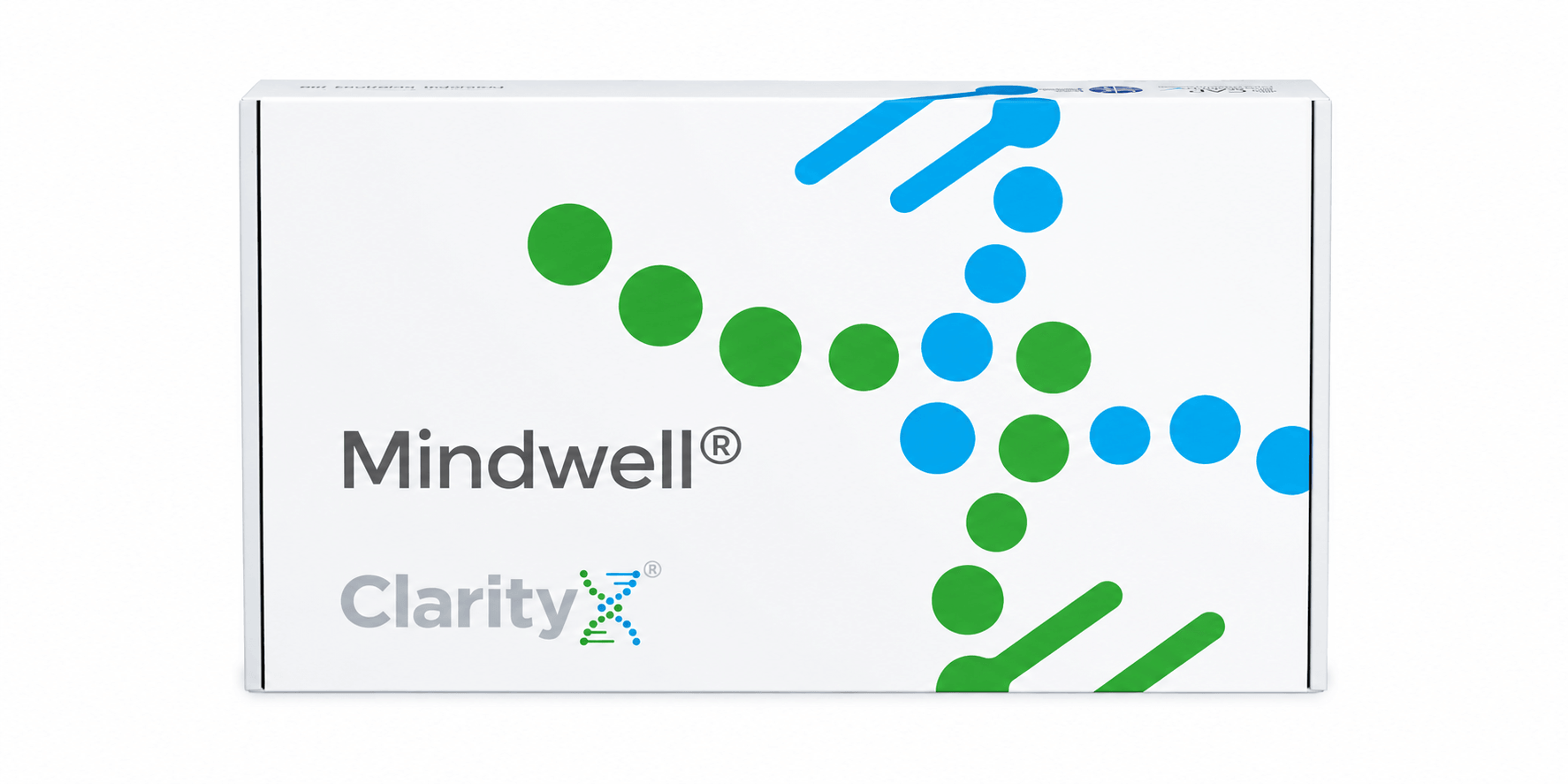
ClarityX currently offers different testing options, and Mindwell® takes the more focused approach.
It’s centered specifically around medications commonly prescribed in mental-health care, including categories involving depression, anxiety, ADHD, mood disorders and other psychiatric treatments.
The report is designed to give healthcare providers additional genetic information that may be relevant when discussing medications.
I think that’s an important way to look at Mindwell.
It isn’t replacing the healthcare professional.
It’s adding another piece of information to the conversation.
Max Rx Expands the Genetic Analysis Across 285+ Medications
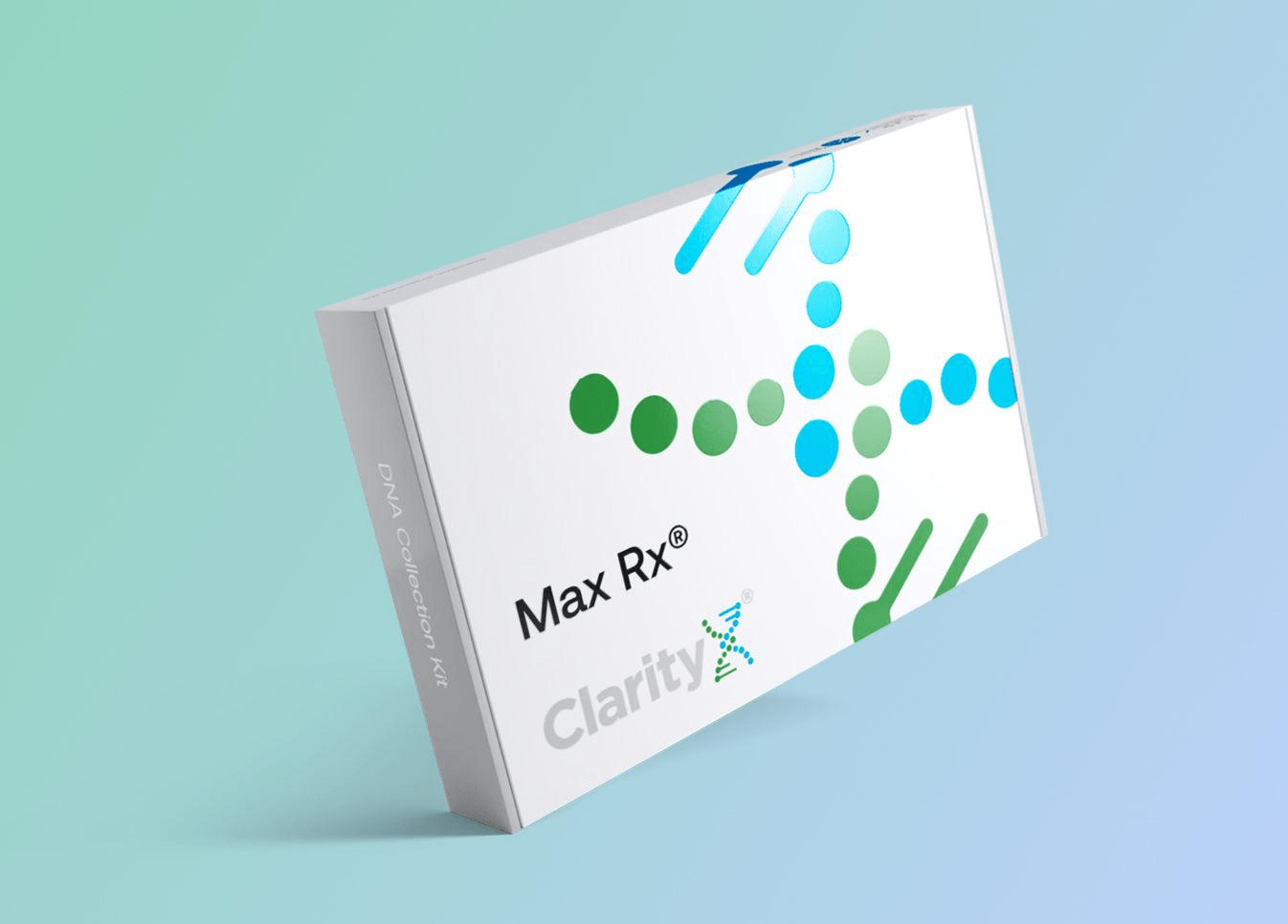
Then there’s Max Rx®.
This is the much broader ClarityX option.
Max Rx currently covers 285+ prescription medications spanning numerous therapeutic areas, including mental health, cardiology, pain management, endocrinology, gastroenterology, neurology and oncology, among others.
ClarityX says the report can include information involving:
Gene-Drug Interactions • Medication Metabolism • Dosing Guidelines • Genetic Risk Information
It can also analyze medications someone is currently taking.
And because DNA generally doesn’t change over time, the genetic information may remain relevant when discussing medications with healthcare professionals later on.
That made the idea of a “medication roadmap” make considerably more sense to me.
You Can Search the Medication Directory Before Taking the Test
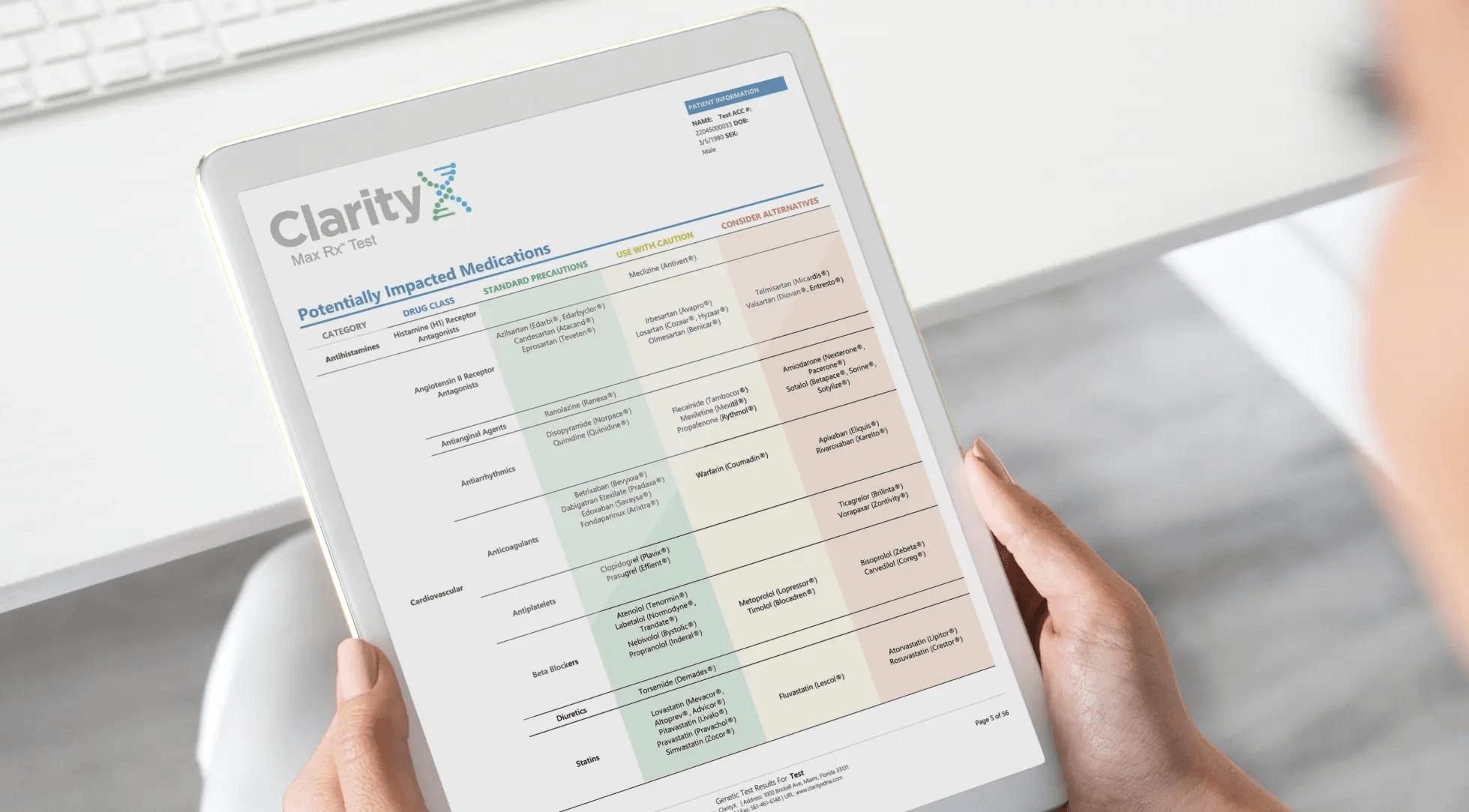
One feature I particularly like is ClarityX’s Medication Directory.
Rather than simply saying that hundreds of medications are covered, the company lets people search its current database.
The directory shows information such as the generic name, brand names, medication category, drug class, associated genes and which ClarityX test includes it.
I think that’s useful because it makes a fairly complicated technology more tangible.
You can actually see the types of medications and genetic relationships the testing is designed to examine rather than relying on a vague promise of “personalized medicine.”
The Personalized Report Is Where the DNA Becomes More Practical
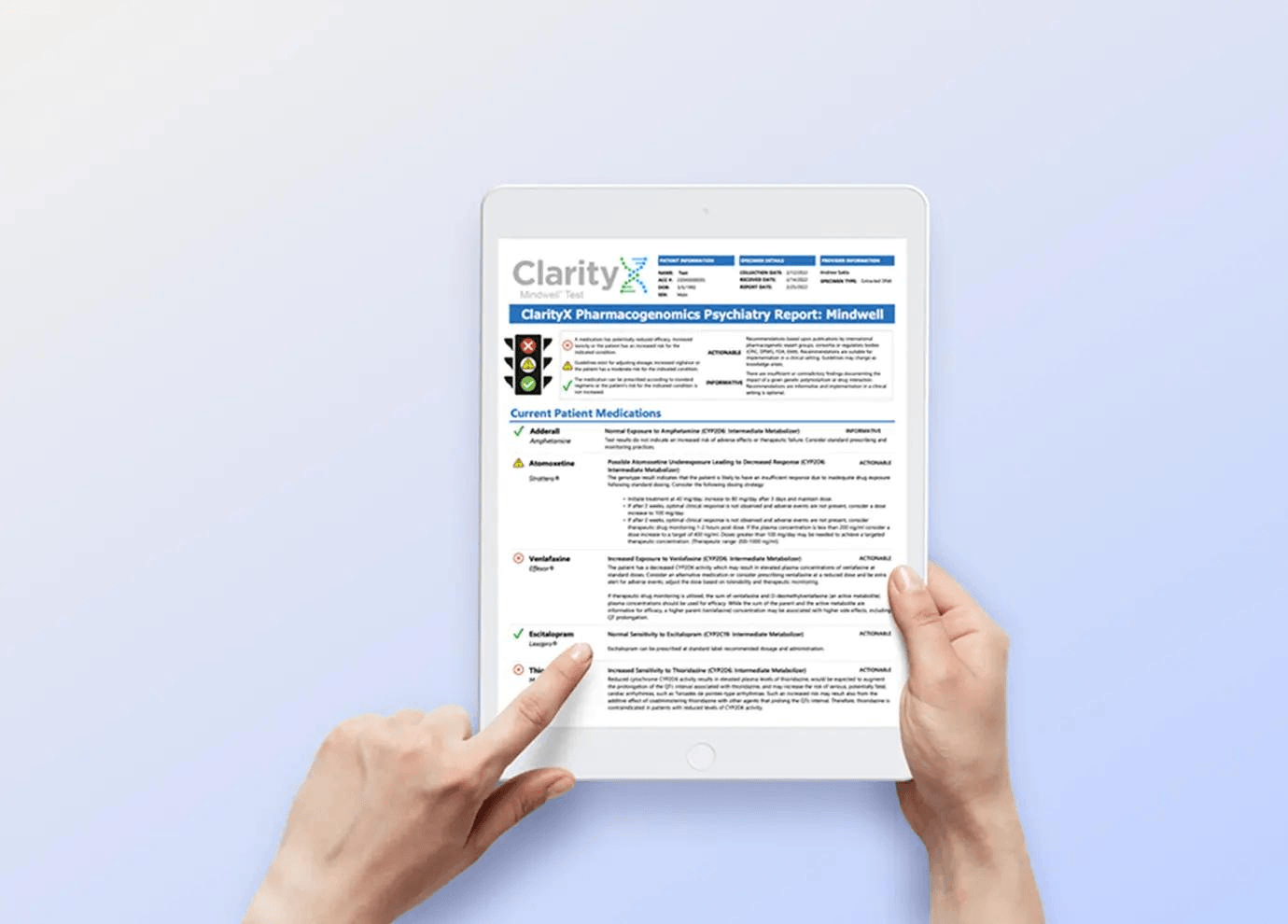
The DNA itself is only the beginning.
What I’d actually want to understand is the report that comes back.
ClarityX organizes its findings so they can be reviewed and shared with a healthcare provider.
The company also says its PGx-certified pharmacists can review results with a patient’s doctor to help inform a personalized medication discussion.
That collaborative element stood out to me.
Genetic information can get complicated very quickly, so having a report designed for a healthcare conversation makes more sense than trying to interpret everything independently.
With Genetic Testing, the Privacy Question Deserves Attention Too
Any time a company is analyzing DNA, I think privacy deserves more than a sentence buried near the bottom of an article.
ClarityX’s privacy policy classifies genetic and health information as sensitive information.
The company describes technical, physical and administrative safeguards around personal information and explains circumstances in which information may be shared with service providers.
I’d still read the complete privacy policy before submitting genetic information.
DNA isn’t something you can reset like a password.
There Are Important Limits to What a DNA Test Can Tell You
This might be the most important part of understanding ClarityX.
Pharmacogenomic testing can provide additional genetic information about medication response, but it doesn’t determine someone’s entire medical treatment.
There are plenty of factors beyond genetics that healthcare professionals may consider.
ClarityX itself states that its tests aren’t intended to diagnose or treat diseases and tells users not to change medications or dosages without consulting a healthcare provider.
So I wouldn’t think of ClarityX as a replacement for medical care.
I’d think of it as another source of information that can be brought into that care.
For Me, the Most Interesting Part Happens After the Cheek Swab
I started looking at ClarityX because the idea of connecting DNA and medication sounded unusual.
But the cheek swab isn’t really what makes it interesting.
It’s what happens afterward.
A genetic sample becomes information about genes, medication metabolism and potential gene-drug interactions, which can then become part of a conversation with a qualified healthcare professional.
And Max Rx extending that analysis across 285+ medications makes the concept feel much broader than I initially expected.
That’s what changed the way I looked at ClarityX.
It’s less about discovering what’s hidden in your past and more about giving healthcare professionals another piece of information for decisions that may happen in the future.