
I Took a Closer Look at Shed — The GLP-1 Prescription Is Only Part of the Program
When I first came across Shed, the prescription GLP-1 options were naturally what stood out. The company has built a telehealth platform around prescription weight-management care for eligible […]

When I first came across Shed, the prescription GLP-1 options were naturally what stood out.
The company has built a telehealth platform around prescription weight-management care for eligible adults, with options that currently include Wegovy, Zepbound and certain compounded medications when a licensed provider determines they’re appropriate.
But looking more closely at Shed, the medication is really only one piece of what the company is offering.
Around the prescription sits a larger system of licensed-provider review, ongoing follow-ups, health coaching, educational resources, medication tracking and member support.
That’s what makes Shed more interesting to look at in 2026.
It’s not simply trying to put prescription medication online. It’s trying to build an adult telehealth care experience around what happens before, during and alongside treatment.
Shed Starts With a Medical Review, Not Simply a Medication Choice
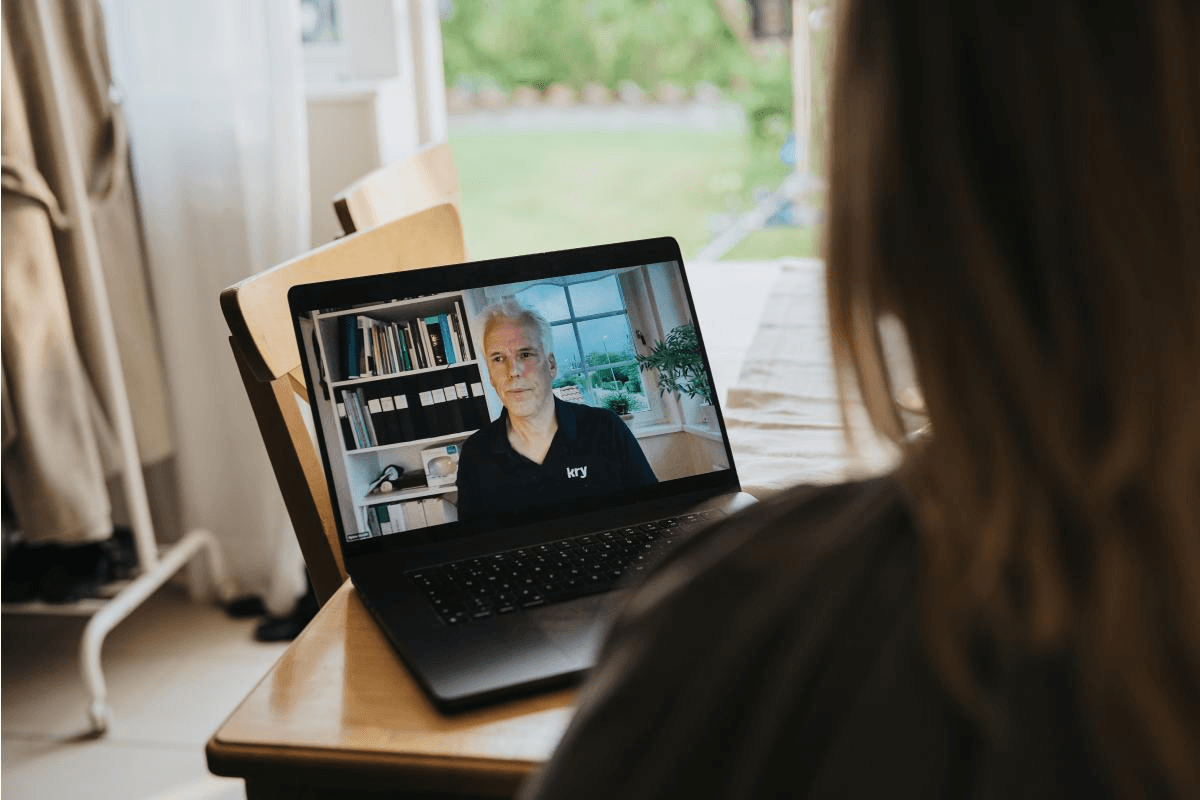
One of the most important things to understand about Shed is that prescription treatment isn’t automatically available just because someone signs up.
The process begins with an online intake covering health history and other relevant information. A healthcare provider then reviews that information to determine whether the requested treatment is appropriate. Depending on the state, that consultation may happen asynchronously or require a video appointment.
If treatment is prescribed, the medication can then be fulfilled and shipped.
I think that distinction matters because GLP-1 medications are prescription treatments, not ordinary wellness products.
Shed may make the process digital and more convenient, but a licensed provider is still responsible for determining whether prescription treatment is appropriate for an individual patient.
There’s More Than One GLP-1 Pathway Within Shed
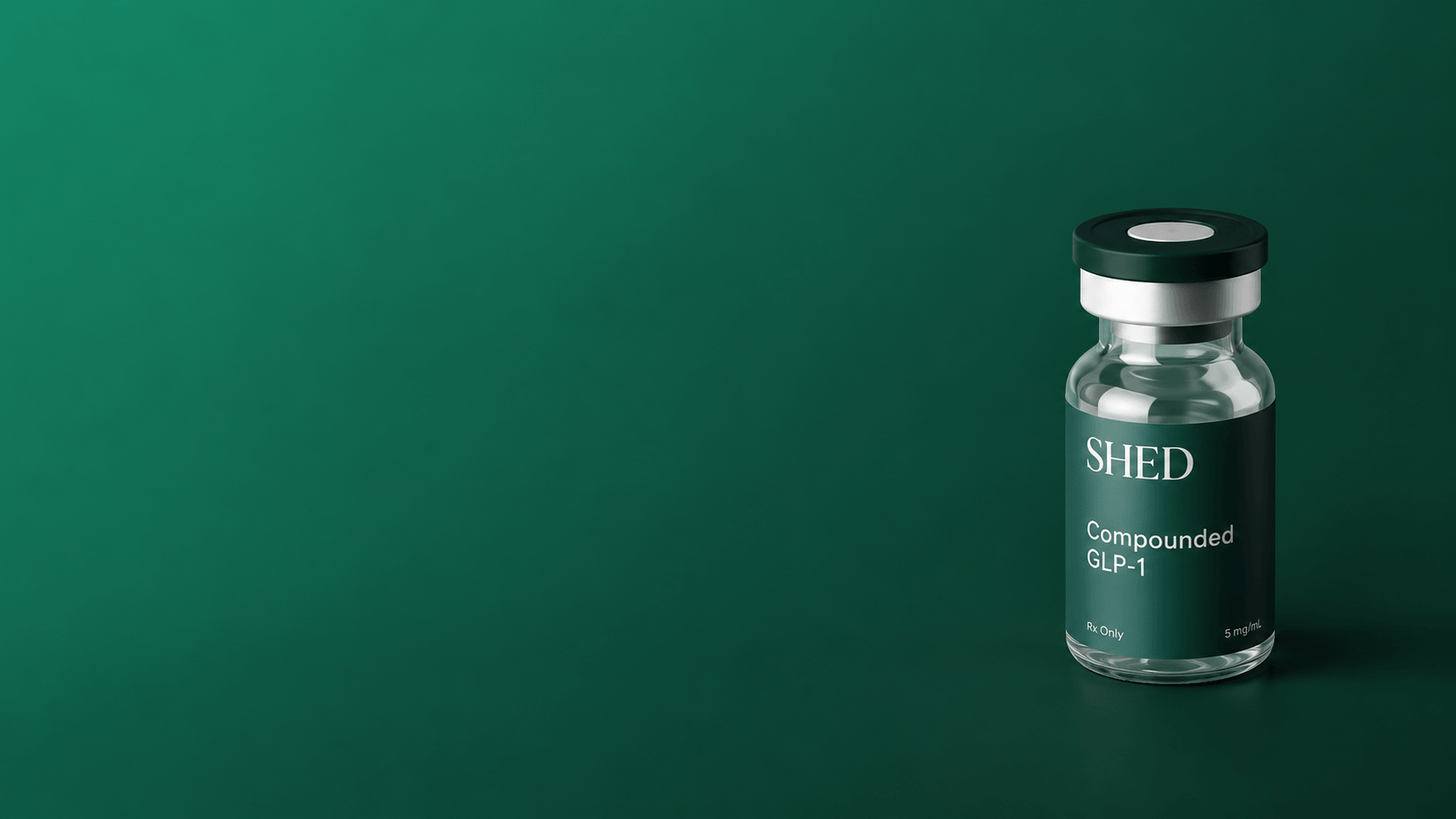
Another thing that became clear pretty quickly is that “Shed GLP-1” doesn’t refer to one single product.
The company’s current platform presents several prescription pathways, including FDA-approved branded medications such as Wegovy (semaglutide) and Zepbound (tirzepatide), alongside certain compounded options.
The appropriate medication and formulation depend on an individual’s medical situation and a provider’s assessment.
That makes Shed less like a storefront where someone simply chooses a medication and more like a telehealth platform connecting eligible adult patients with provider-led treatment options.
And that difference becomes particularly important when looking at FDA-approved versus compounded medications.
FDA-Approved and Compounded GLP-1 Medications Aren’t the Same Thing
This is probably one of the most important distinctions in the entire Shed offering.
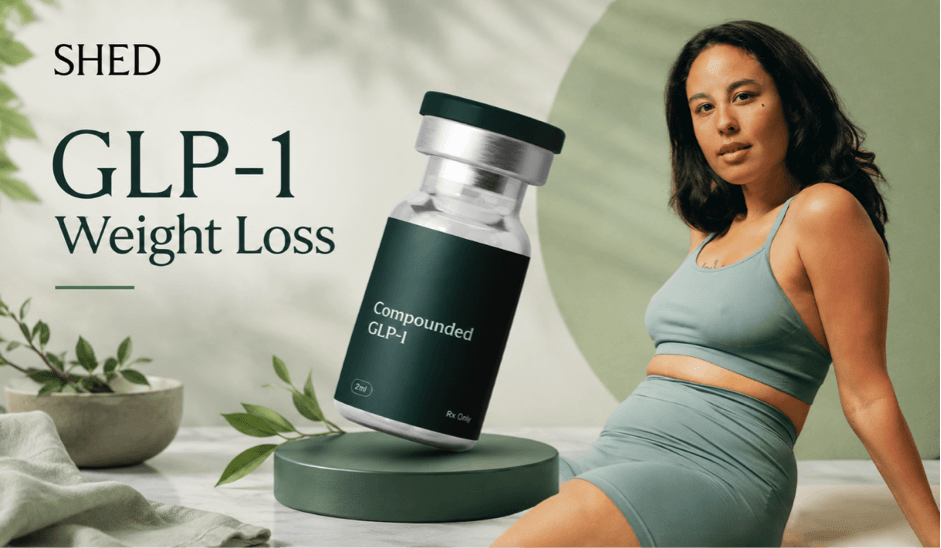
Shed currently offers access to FDA-approved branded medications as well as compounded medications in circumstances where a clinician determines that a compounded treatment is appropriate.
Those categories shouldn’t be treated as interchangeable.
Shed explicitly states that compounded medications are not reviewed or approved by the FDA for safety, effectiveness or quality. They are prepared by licensed pharmacies based on prescriptions for individual patients.
By comparison, branded products such as Wegovy and Zepbound have gone through the FDA approval process for their approved indications.
That distinction is worth understanding before getting distracted by price, format or convenience.
“GLP-1” describes a category of treatment, but it doesn’t mean every product offered through a telehealth platform has the same regulatory status.
The Care Doesn’t End Once a Prescription Is Issued
This is where Shed starts looking more like an ongoing care platform.
Its GLP-1 program currently includes access to provider follow-ups, health coaching, educational resources and member support.
That matters because prescription treatment isn’t necessarily a one-time interaction.
Questions can come up during care, and treatment may require continued clinical oversight. Shed’s model is designed to keep the patient connected to the care team rather than making the prescription the end of the relationship.
For me, that’s one of the clearest differences between looking at Shed as an online medication service and looking at it as a telehealth program built around prescription care.
Pivot Adds a Digital Layer to the GLP-1 Experience
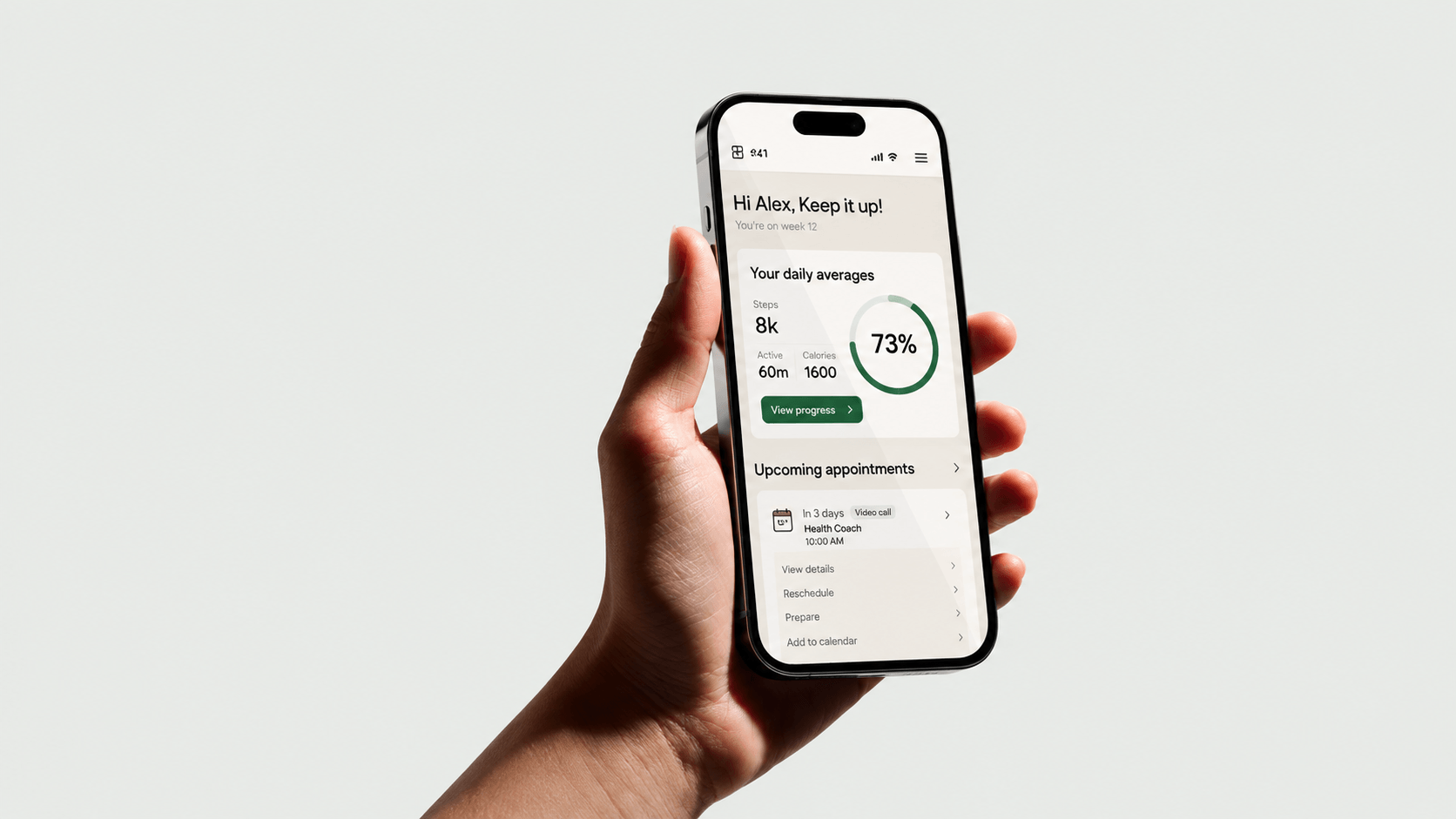
Shed has also built technology around the treatment experience.
Its Pivot app is included with Shed and is designed to help members keep information about their treatment organized. Shed says members can use it to log doses, record side effects, monitor habits and follow their progress.
That might sound like a relatively small part of the platform, but it makes sense within the broader model.
The provider handles the clinical side. The prescription is one part of treatment. Pivot provides a place for adults using the program to keep track of information between interactions with their care team.
It essentially turns the phone into another part of Shed’s care ecosystem.
Health Coaching Is Designed to Sit Alongside Medical Care
Shed also puts considerable emphasis on health coaching.
Its coaching program addresses areas including nutrition, exercise, sleep, stress, mindset and habit development, with different levels of coaching support available.
Importantly, coaching and medical care aren’t the same thing.
A health coach doesn’t replace the licensed clinician responsible for prescription decisions. Instead, Shed positions coaching as additional support around everyday habits and goals.
That distinction makes the overall model easier to understand.
Medication addresses one part of care. Providers oversee treatment. Coaching focuses on behaviors and routines around it.
The Convenience Is Really About Bringing Several Pieces of Care Online
Telehealth is obviously central to Shed.
The initial intake happens online, provider consultations can occur remotely where permitted, prescriptions can be fulfilled for eligible patients, and ongoing support is accessible without building the entire experience around repeated visits to a physical clinic.
Shed says its platform is currently available across all 50 U.S. states, although consultation requirements can differ by location.
That convenience is probably one of the clearest reasons platforms like Shed exist.
But convenience shouldn’t be confused with treatment being casual.
These are still prescription medications requiring medical evaluation and ongoing consideration of an individual patient’s health.
The technology changes how care can be accessed. It doesn’t eliminate the clinical side of that care.
The Cost Can Be More Complicated Than One Monthly Number
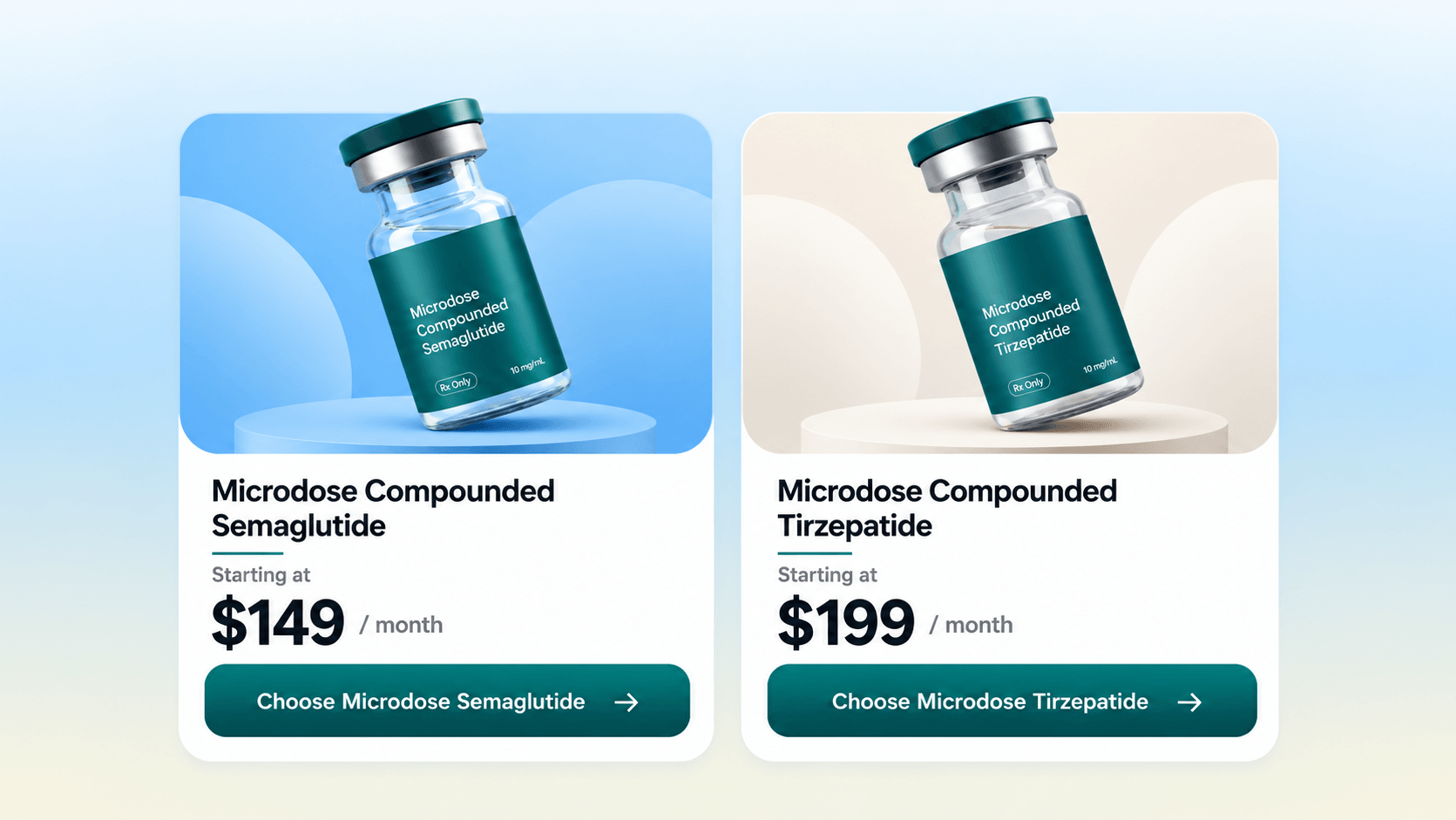
Pricing is another area where it’s worth looking beyond the headline.
Shed advertises GLP-1 solutions with monthly starting prices, but the actual cost can vary depending on the specific medication, membership, insurance or cash-pay route, and other aspects of the treatment plan.
For example, Shed currently presents separate medication and membership costs for some branded treatments, while other program structures can package things differently.
That means I wouldn’t reduce Shed to a single “costs $X per month” figure.
Promotions and pricing can change, and the relevant cost depends heavily on which treatment pathway a licensed provider determines is appropriate.
The Biggest Thing to Understand Is That GLP-1 Care Is Still Medical Care
It’s easy for online prescription platforms to start looking like ordinary ecommerce.
A quiz, a website, home delivery and an app can make the experience feel dramatically different from walking into a doctor’s office.
But the underlying product here is still medical care involving prescription medication.
Eligibility, possible side effects, medical history, contraindications, interactions and appropriate ongoing treatment are matters for qualified healthcare professionals. And the difference between an FDA-approved drug and a compounded medication remains important regardless of how convenient the online experience becomes.
That’s why I think the provider relationship is ultimately more important to understanding Shed than the convenience of having medication delivered.
The More I Looked at Shed, the Less It Felt Like an Online Prescription Store
That’s probably my biggest takeaway.
Prescription GLP-1 treatment is certainly at the center of this side of Shed’s business.
But around it, the company has built provider review, ongoing clinical access, health coaching, member support, education and the Pivot tracking platform.
That doesn’t mean the platform—or GLP-1 treatment generally—is appropriate for everyone. Prescription decisions belong with qualified clinicians who can consider an adult patient’s individual circumstances.
But it does make Shed’s model more interesting than the headline might suggest.
The prescription may be what initially brings attention to Shed. The broader story is the care infrastructure the company has built around it.