
PVOLVE Isn’t Just About Working Out — It’s About Moving Better
When I first came across PVOLVE, I wasn’t entirely sure where to place it. Some of the equipment gives it a Pilates-like feel. The streaming platform makes it […]
When I first came across PVOLVE, I wasn’t entirely sure where to place it.
Some of the equipment gives it a Pilates-like feel. The streaming platform makes it look like an at-home fitness membership. Then there are dumbbells, resistance tools, studio classes and more traditional strength training mixed into the experience.
But the more I looked into PVOLVE, the clearer its approach became.
PVOLVE isn’t focused solely on completing a hard workout. Its Method brings together strength, mobility and stability, using functional movement designed around how the body moves in everyday life.
And heading into the final months of 2026, that approach is becoming even more central to the brand.
PVOLVE Is Trying to Change What a Long-Term Workout Routine Looks Like
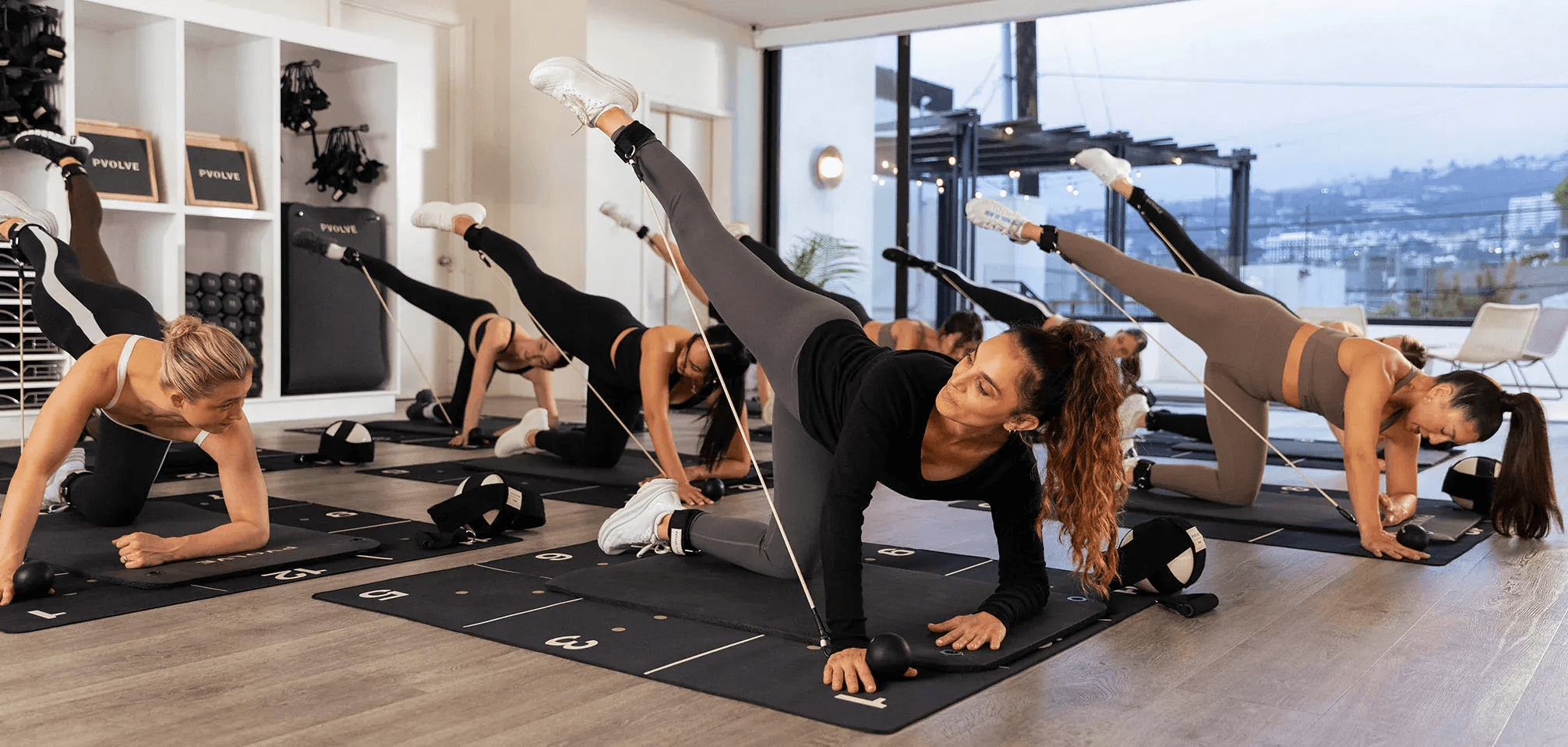
A lot of fitness programs are built around what happens during the workout: how much weight you lift, how many repetitions you complete or how intense the session feels.
PVOLVE takes a somewhat different approach.
Its Method combines functional strength training with mobility and stability work, with movements that take the body through multiple planes and ranges of motion.
That doesn’t mean strength takes a back seat.
PVOLVE currently organizes much of its programming around Weight Training, Sculpt and Cardio, while mobility, balance and stability remain integrated throughout the broader Method.
For me, that’s one of the clearest ways to understand PVOLVE: the goal isn’t simply to get stronger. It’s to build strength while continuing to move well.
Strength Training Is Becoming a Much Bigger Part of the PVOLVE Story
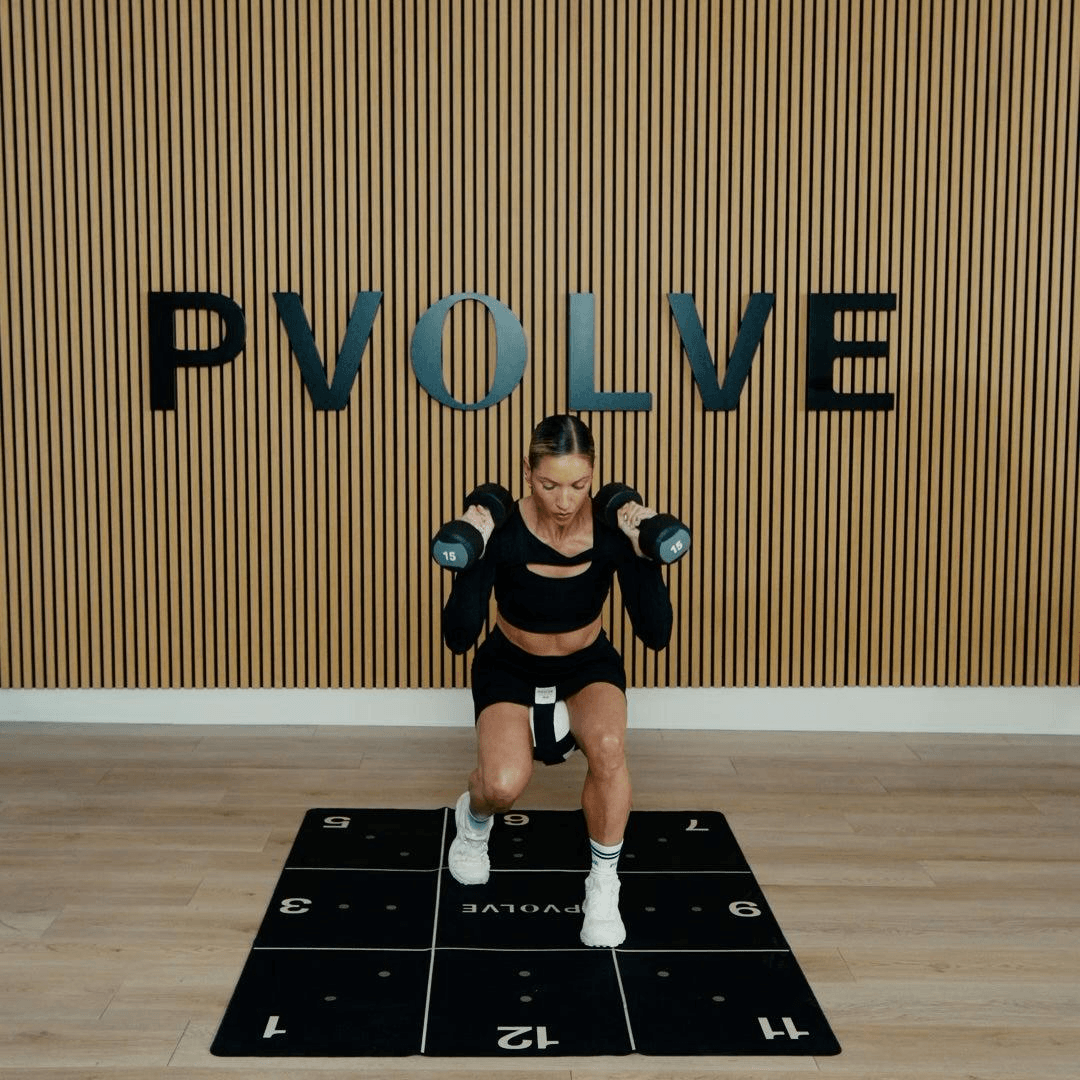
That focus is particularly noticeable in PVOLVE’s 2026 direction.
In September, the company announced new strength-focused programming alongside its Women’s Longevity Report, further emphasizing the relationship between strength and long-term movement.
That makes the current PVOLVE experience broader than someone might expect from seeing the brand’s smaller resistance equipment.
Depending on the workout, classes can incorporate dumbbells, ankle weights, resistance equipment and bodyweight movements.
So while PVOLVE may visually resemble some lower-impact workout platforms, I wouldn’t describe it as simply light exercise.
Progressive strength training is becoming an increasingly important part of the system.
The Equipment Is What Initially Makes PVOLVE Look So Different
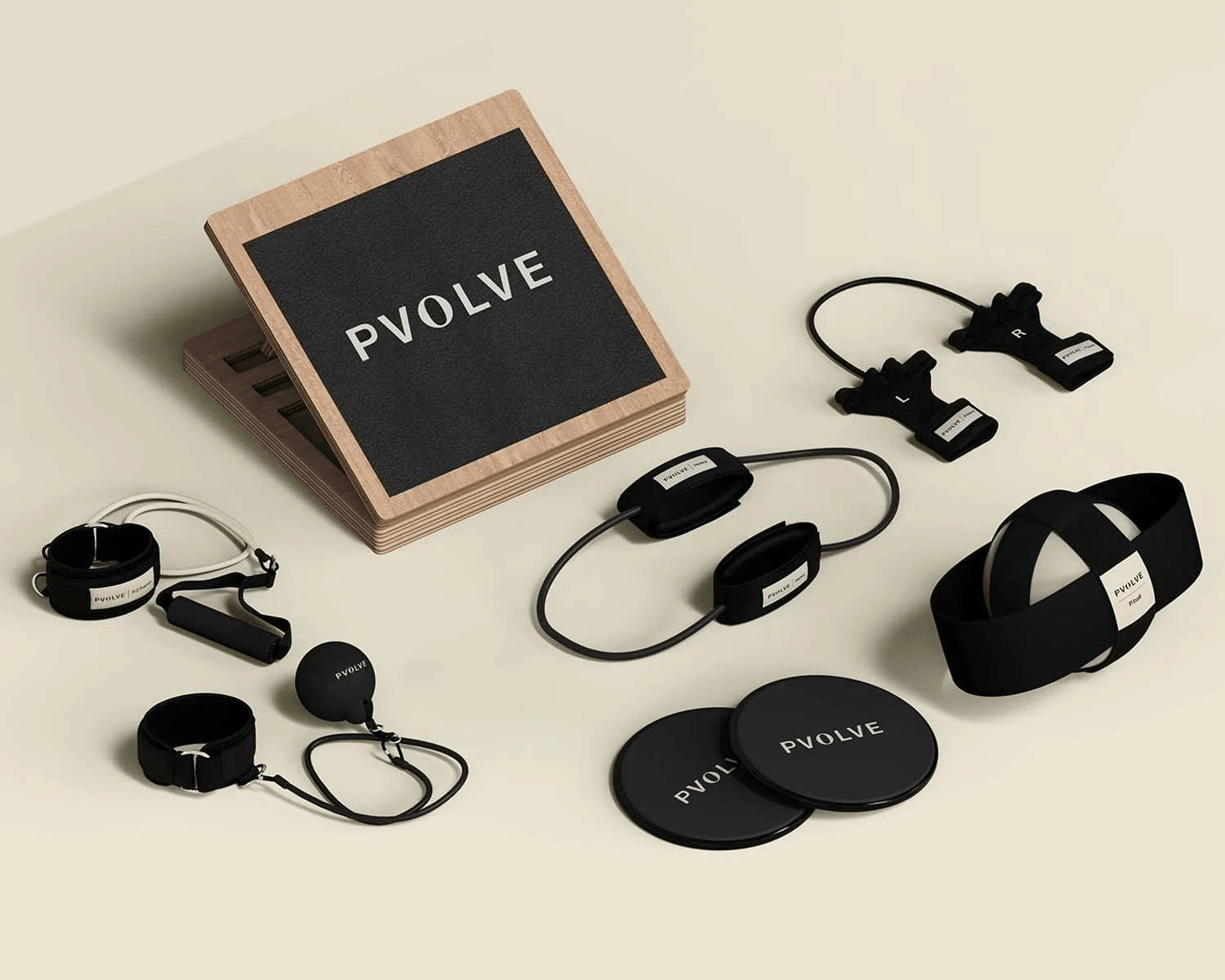
This was probably the first thing that caught my attention.
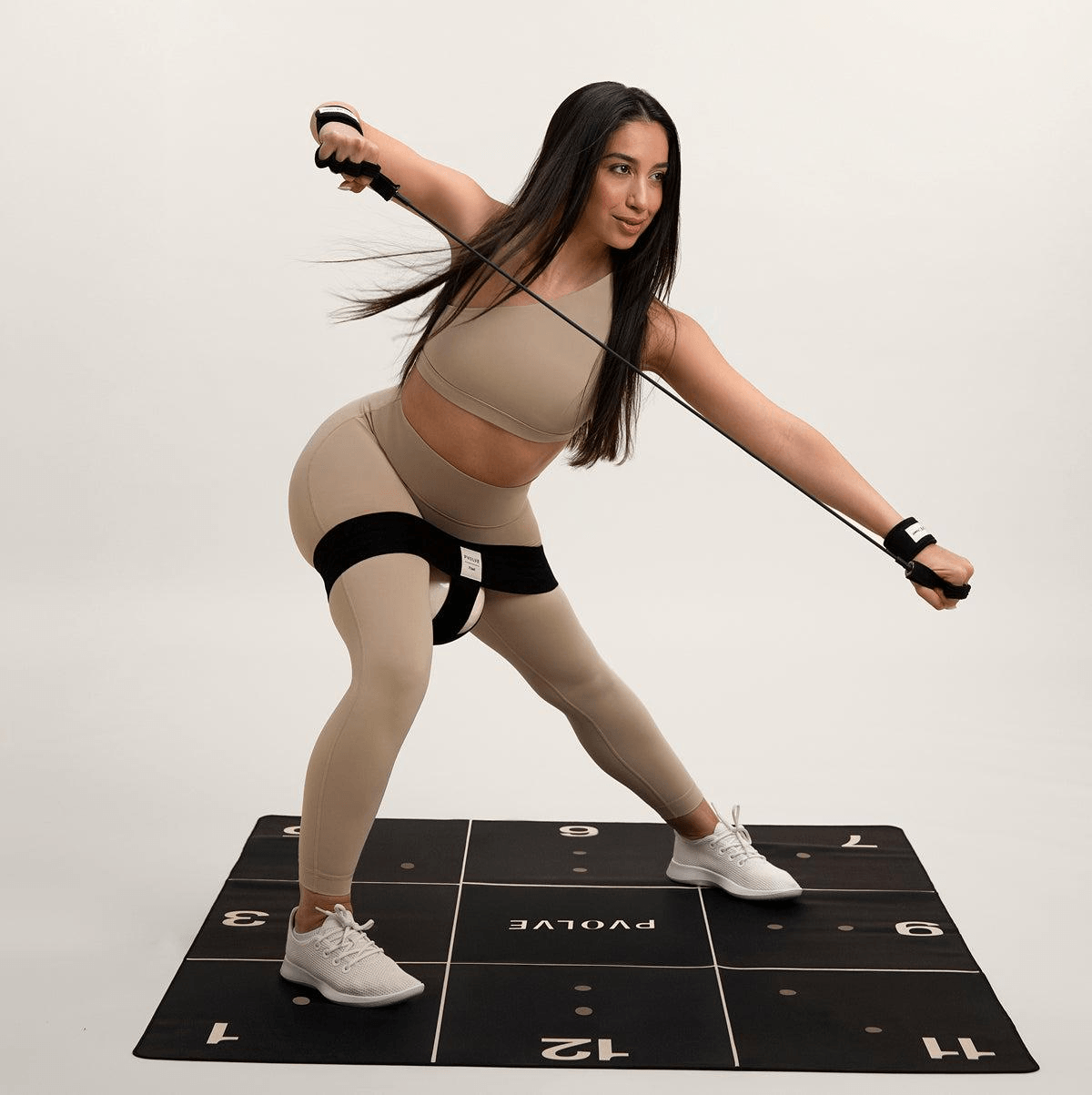
PVOLVE has developed an entire collection of specialized fitness equipment, including its recognizable P.ball and P.band, alongside products such as its Precision Mat, Slant Board, ankle bands, ankle weights and Gliders.
But the equipment isn’t simply merchandise sold alongside the workouts.
PVOLVE builds classes around these tools, using resistance and different movement patterns as part of the Method itself.
That creates an interesting relationship between the physical and digital sides of PVOLVE.
The equipment creates the resistance. The classes show you how to use it. And the Method connects those movements back to strength, mobility and stability.
There are bodyweight options available as well, so someone doesn’t necessarily need every piece of PVOLVE equipment before trying the platform.
The Streaming Platform Is Much Bigger Than I Expected
Once I moved beyond the equipment, I was surprised by how much programming PVOLVE has built around it.
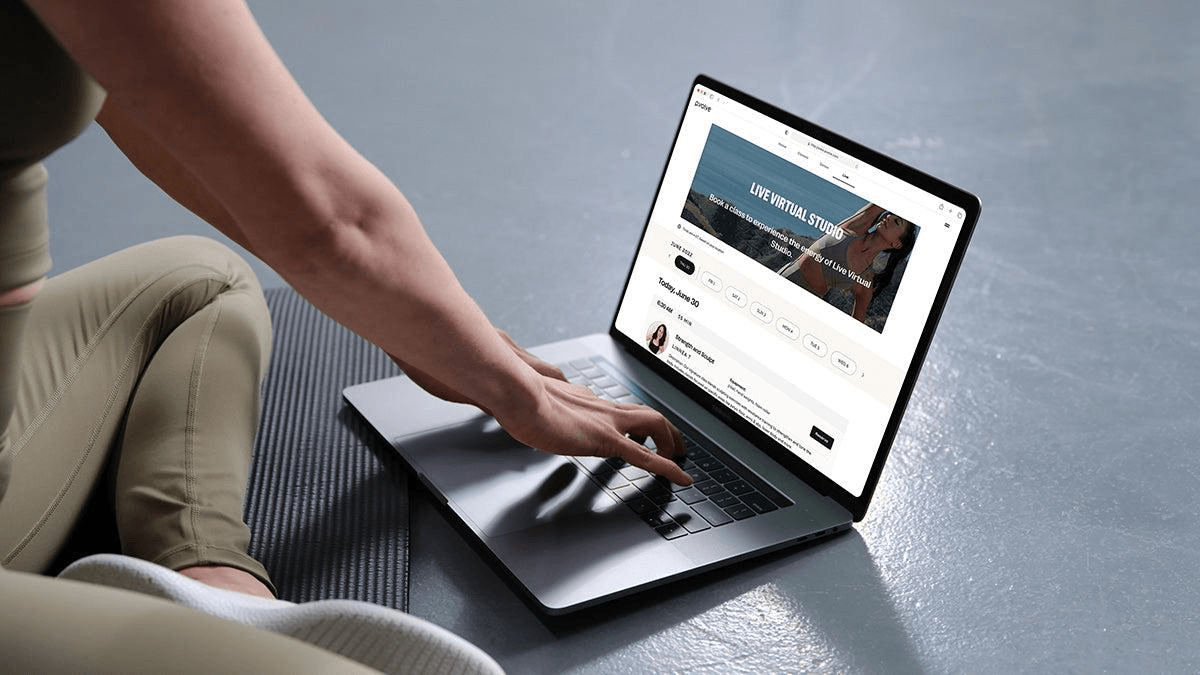
Its digital membership currently provides access to more than 1,800 on-demand workouts, with sessions ranging from quick workouts to considerably longer classes. Members can choose among different trainers, class formats, equipment combinations and areas of focus.
There are also live virtual classes, giving the experience a little more structure for people who prefer following an instructor in real time.
That variety matters because PVOLVE isn’t asking members to repeat one signature workout indefinitely.
Someone might do weight training one day, sculpt another, cardio another and mobility or recovery-focused movement elsewhere in the week.
It feels less like buying access to one workout and more like getting access to an entire training system.
There’s More Research Behind the PVOLVE Method Than I Expected
Fitness brands use terms such as “science-backed” pretty freely, so this was something I wanted to look at more closely.
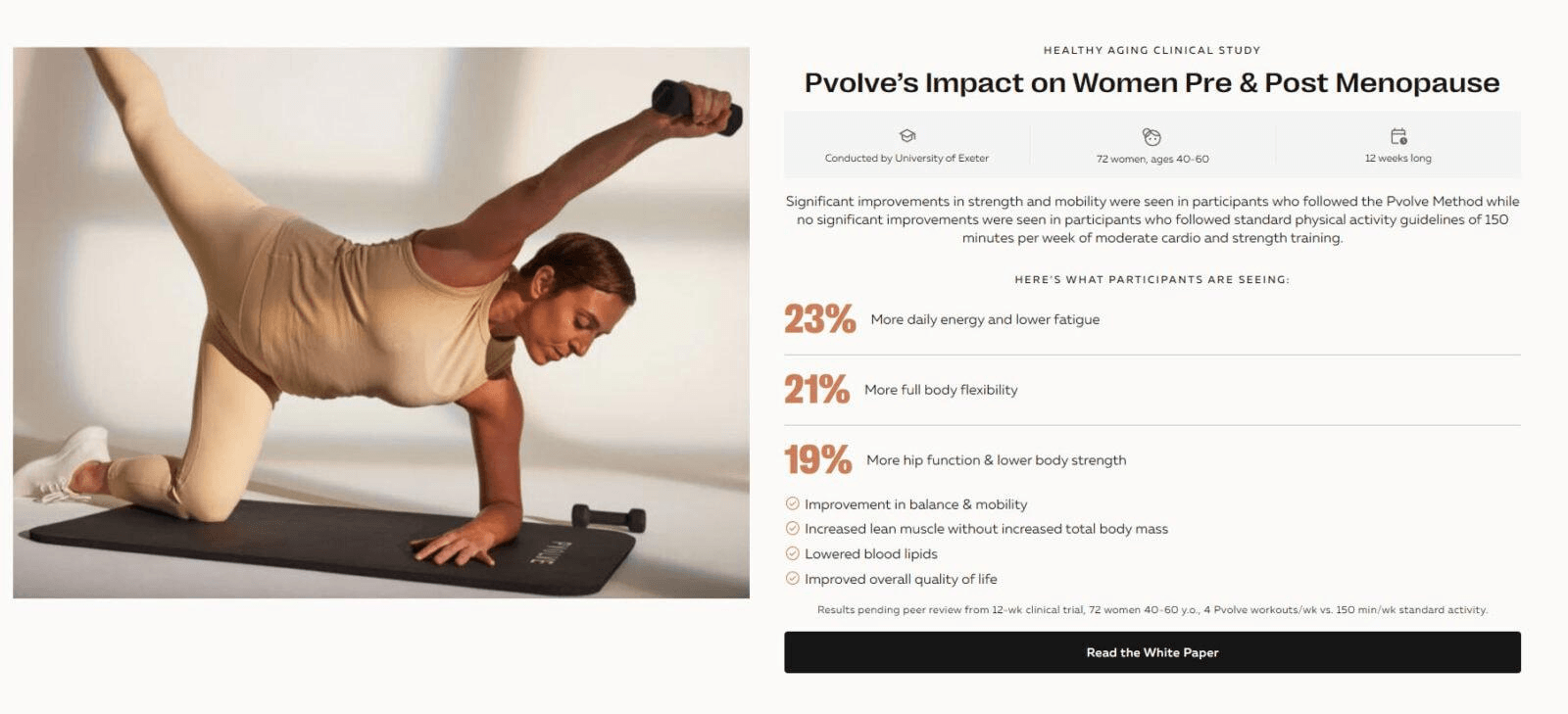
PVOLVE points to clinical research examining aspects of its Method.
One 12-week study highlighted by the company involved 72 women between ages 40 and 60. Researchers compared participants completing four PVOLVE workouts each week with a group following standard physical-activity guidelines. PVOLVE reports improvements across measures including hip function, lower-body strength, flexibility, balance and mobility.
Those results still need context.
It’s a specific study population, the sample isn’t enormous, and findings from one study shouldn’t automatically be generalized to everyone who might use PVOLVE.
But I do think the research makes the Method more interesting.
PVOLVE isn’t only saying that strength, mobility and stability belong together. The company is also investing in research examining what happens when people train that way.
PVOLVE Has Grown Beyond Being an At-Home Workout Platform
I originally thought PVOLVE was primarily something people did at home.
That’s no longer the whole picture.
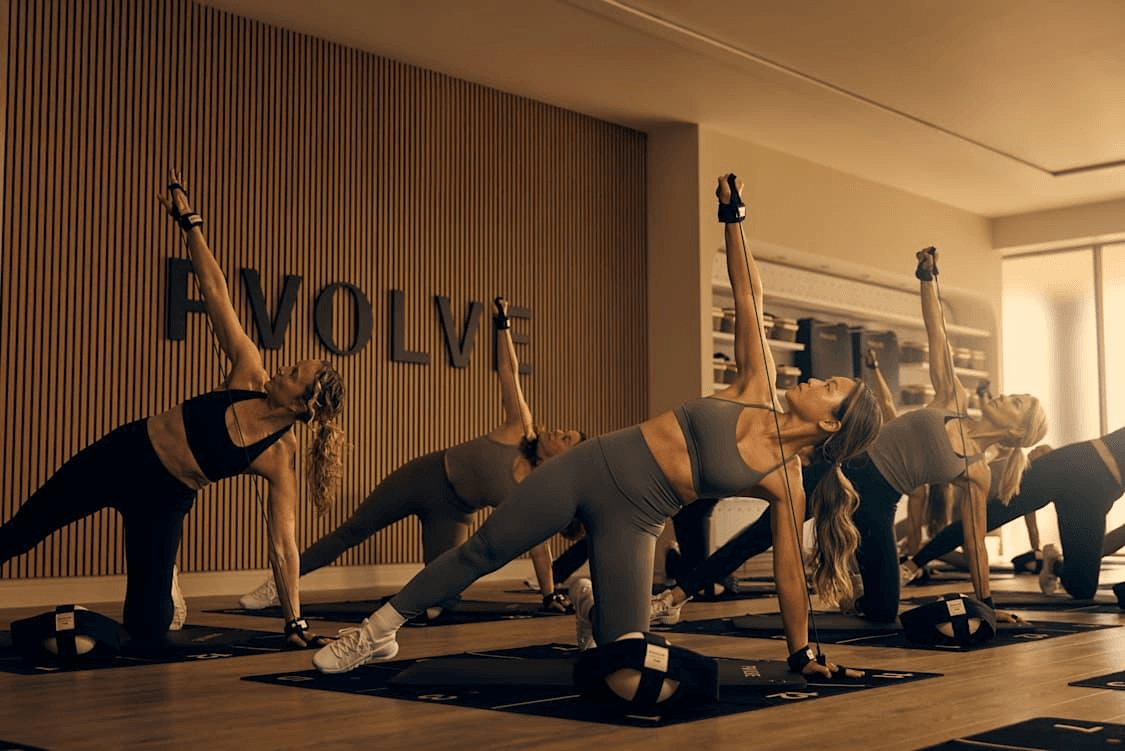
Alongside its on-demand membership, PVOLVE offers a Live Virtual Studio and has continued expanding its network of physical studios. The company says it has more than 45 locations open across North America, with additional locations in development.
That creates three fairly distinct ways to experience the Method:
On-Demand at Home • Live Virtual Classes • In-Person Studios
I think that flexibility is important.
Someone can build PVOLVE into a home routine without living near a studio, while people who prefer in-person instruction increasingly have that option as the company’s physical footprint grows.
Jennifer Aniston Might Get the Attention, but the Method Is the Bigger Story
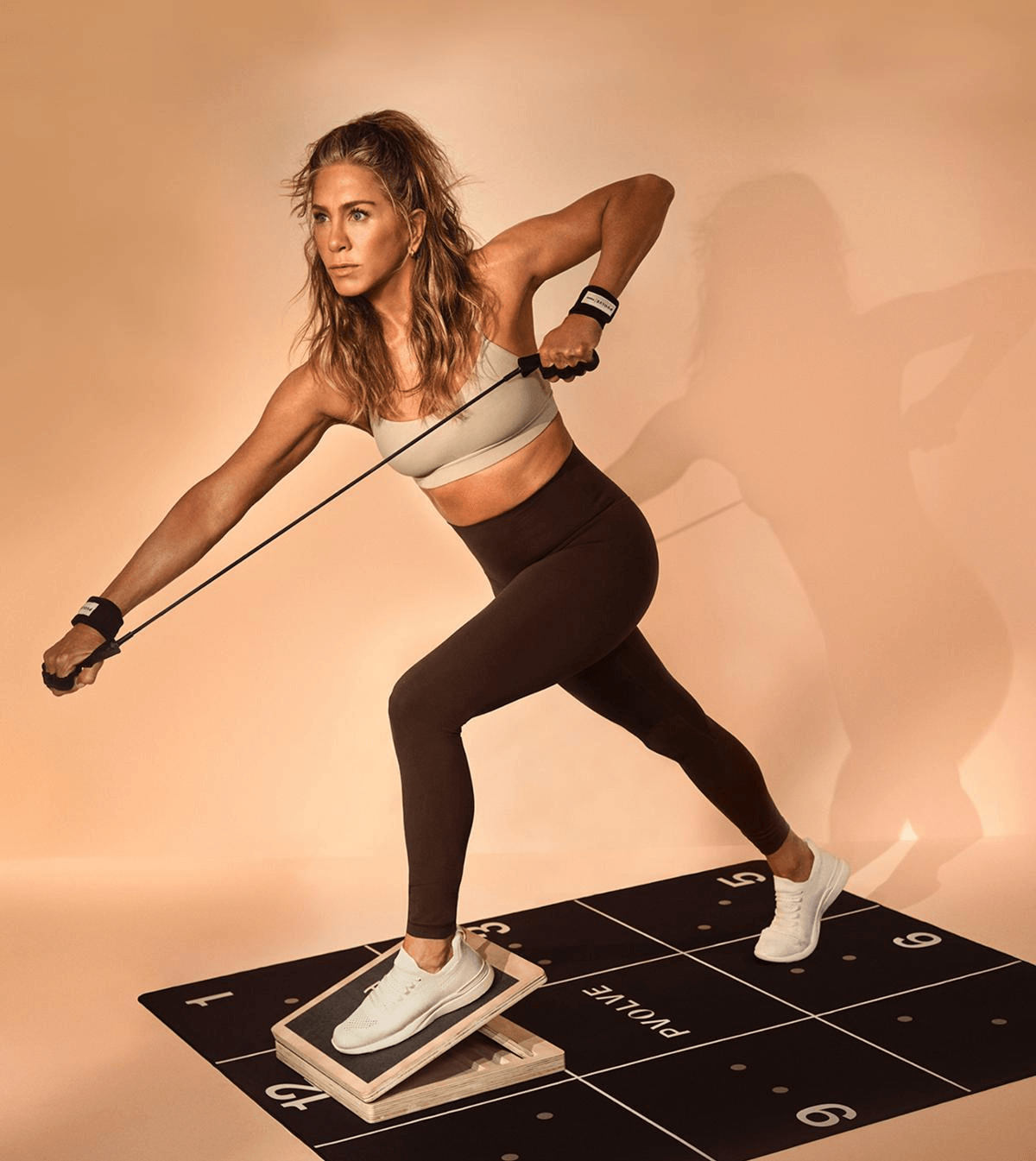
It’s almost impossible to research PVOLVE without seeing Jennifer Aniston.
She officially partnered with the company in 2023 after previously using PVOLVE herself, and she has remained closely associated with the brand since then.
It’s obviously a major visibility boost.
But I don’t think the celebrity partnership is the most interesting reason to look at PVOLVE in 2026.
Underneath it, the company has continued developing new programming, specialized equipment, research, digital workouts and physical studios.
Jennifer Aniston might be how some people first discover PVOLVE.
What PVOLVE has actually built around the Method is the more useful reason to understand the brand.
PVOLVE Is Also Building Workouts Around Different Needs and Life Stages
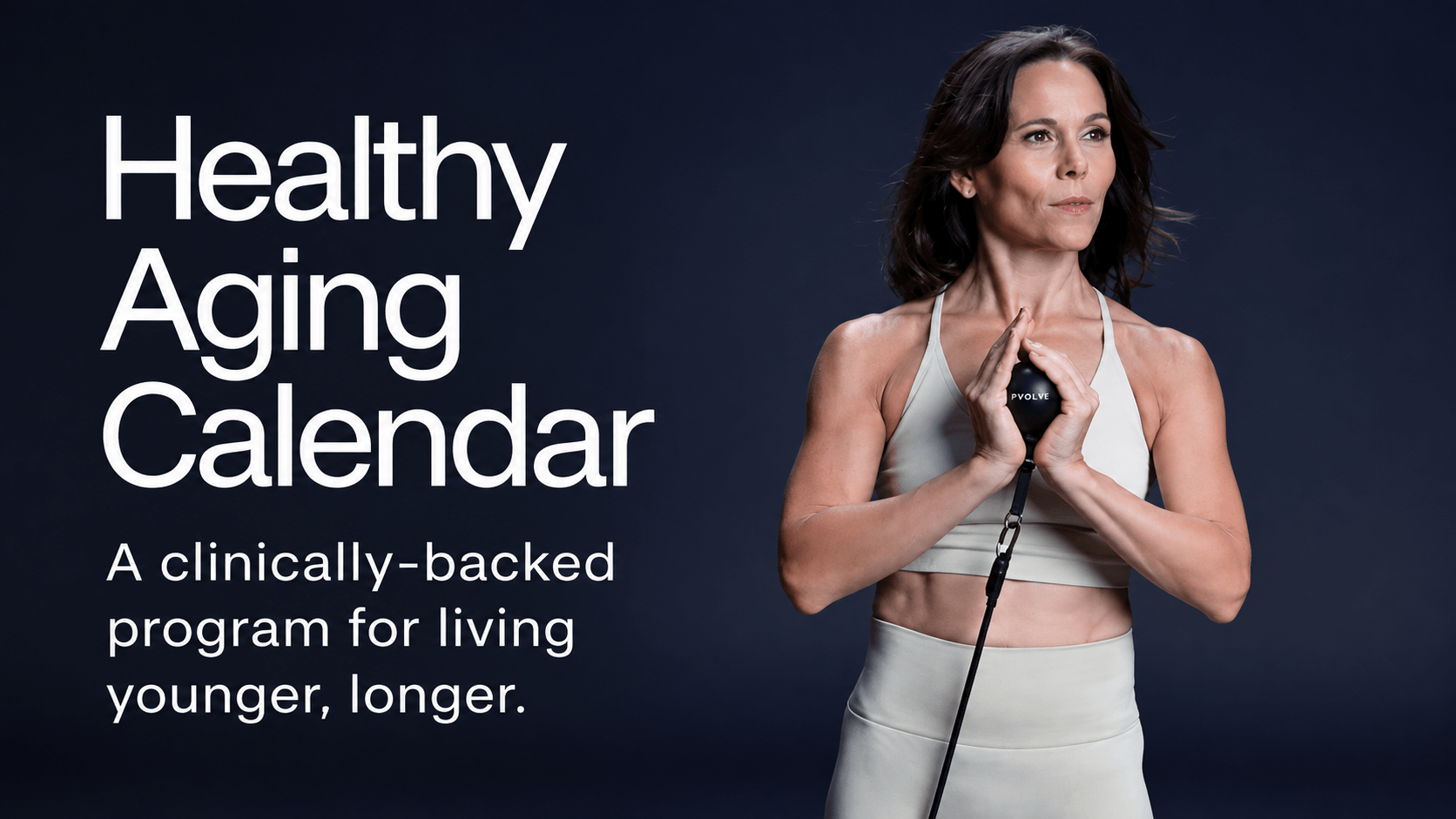
Another thing I noticed while exploring the workout library is that PVOLVE doesn’t treat every member as though they need exactly the same routine.
Alongside its core strength and fitness classes, the platform includes specialized programming addressing areas such as pelvic-floor strength, back support and different stages of life.
That fits naturally with the brand’s broader movement-longevity idea.
Fitness needs can change over time, and PVOLVE is increasingly building its platform around the idea that the workout should be able to change too.
It’s a subtle difference, but an important one.
Instead of building one workout and asking everyone to adapt to it, PVOLVE is building a broader system with different ways to use the Method.
The Membership and Equipment Work Best When You Think of Them as One System
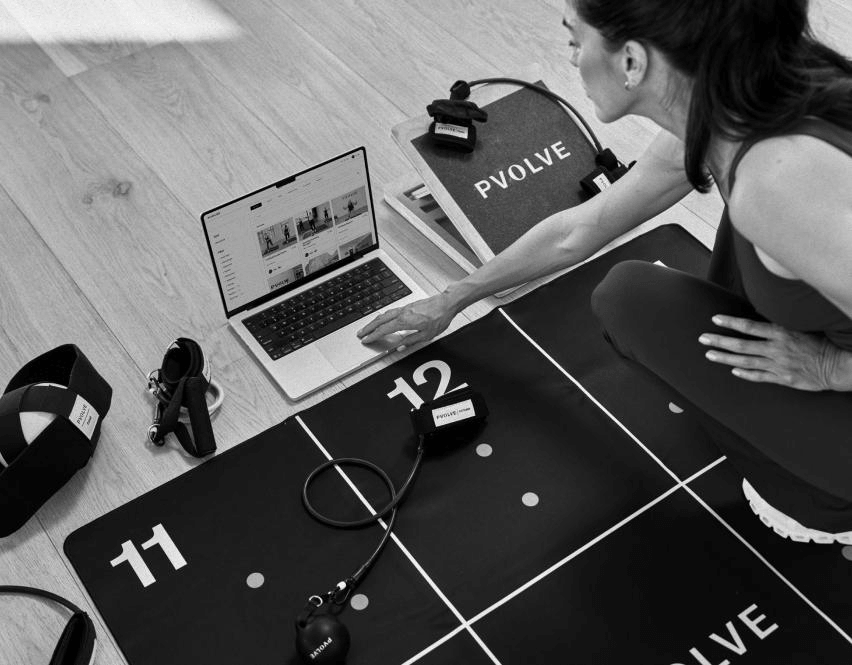
PVOLVE’s digital membership and physical equipment can technically be looked at separately, but the overall concept makes more sense when they’re considered together.
As of late September 2026, PVOLVE lists streaming at $24.99 per month, with an annual option currently advertised at $224.91 per year. Equipment bundles add another upfront cost, with pricing varying considerably depending on how much of the PVOLVE equipment system is included.
Promotional pricing and bundle offers can change, so those numbers are worth checking at the time of purchase.
But I wouldn’t evaluate PVOLVE purely as another streaming subscription.
The fuller experience is the combination of specialized equipment + guided workouts + strength programming + live and on-demand instruction.
That’s also why the cost can look very different depending on how deeply someone wants to get into the system.
The More I Looked at PVOLVE, the Less It Felt Like Just Another Workout Trend
That’s probably my biggest takeaway from looking into PVOLVE.
The brand certainly has plenty of ingredients associated with modern fitness: distinctive equipment, streaming workouts, an app, physical studios and a very recognizable celebrity partner.
But underneath all of that is a surprisingly straightforward idea.
Getting stronger shouldn’t have to mean ignoring how well you move.
PVOLVE brings strength, mobility and stability into the same Method, while its expanding weight-training programs make it increasingly clear that strength is a major part of the equation.
And that’s what makes the brand particularly interesting heading into the final months of 2026.
PVOLVE isn’t just trying to help people finish another workout. It’s building its approach around helping them move well while they get stronger.