
Inside Measured: A Different Approach to Online Weight-Loss Care
When I first looked at Measured, I assumed I understood the concept pretty quickly. Online assessment. Provider review. Prescription weight-management medication when medically appropriate. But the deeper I […]

When I first looked at Measured, I assumed I understood the concept pretty quickly.
Online assessment. Provider review. Prescription weight-management medication when medically appropriate.
But the deeper I looked into the platform, the more I realized the prescription is really only one part of what Measured is building.
Measured’s current approach combines clinical care, nutrition, movement, prescription treatment when appropriate and ongoing support in one telehealth program. Its care teams can include licensed providers, Registered Dietitians and care coordinators.
And in 2026, that makes Measured considerably more interesting than another website promising convenient access to a particular medication.
The Prescription Is Only One Part of the Program
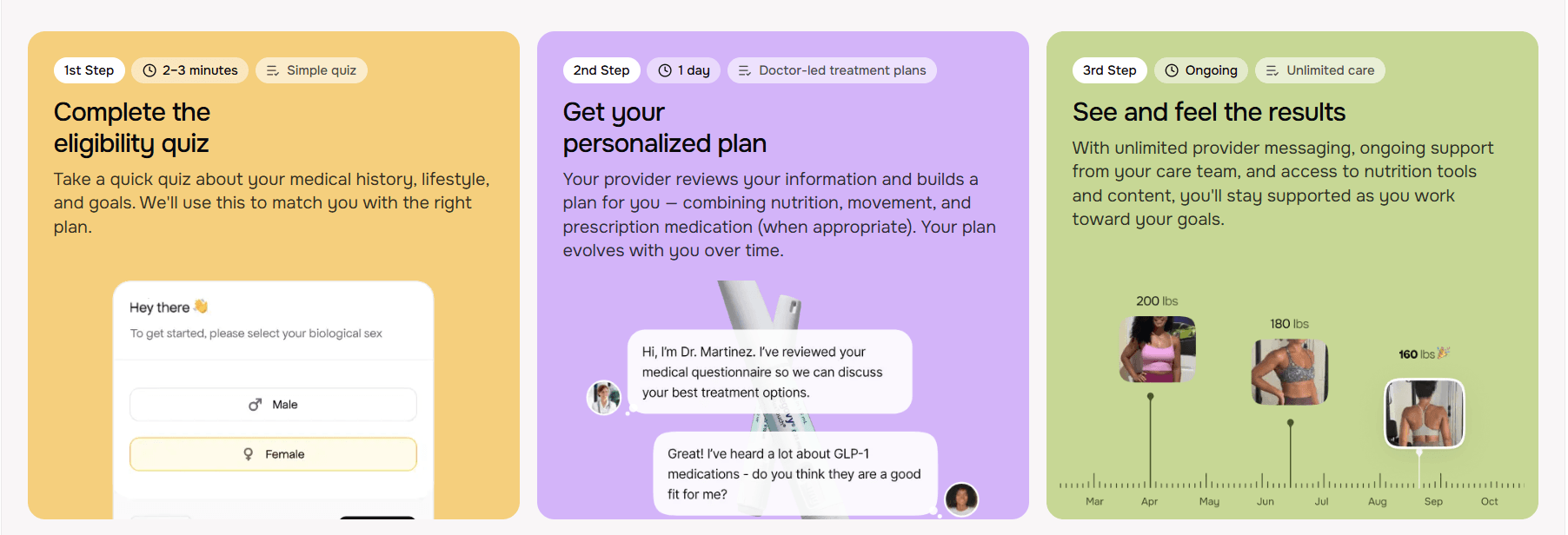
Measured starts online.
I complete an eligibility questionnaire covering areas such as my health history, lifestyle and goals. From there, a licensed provider reviews the information and determines what treatment, if any, is medically appropriate.
The resulting plan can combine:
Clinical Care • Nutrition • Movement • Prescription Medication When Appropriate
Measured says laboratory testing isn’t routinely required for everyone, although a provider may request it depending on an individual’s medical history, health conditions, medications or treatment needs.
That distinction matters.
I wouldn’t describe Measured as an online store where I choose a medication and wait for it to arrive.
The provider evaluation is a required part of the process, and the clinician determines whether prescription treatment is appropriate.
There Are More Treatment Paths Than I Expected
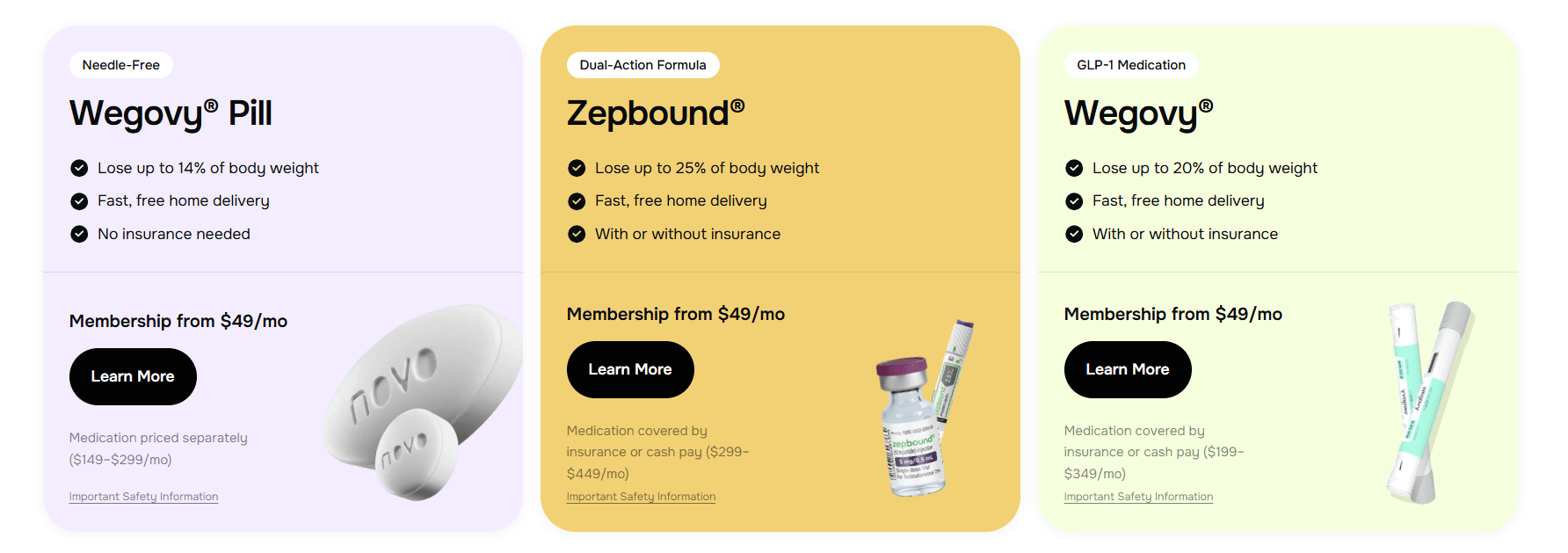
The medication side of Measured is broader than one headline GLP-1.
Measured currently discusses treatment options involving medications such as Wegovy, Zepbound, Ozempic and Mounjaro, along with certain oral and compounded options when a clinician determines they’re appropriate.
But these medications aren’t interchangeable.
Different drugs have different FDA-approved indications, formulations and eligibility considerations. For example, Wegovy and Zepbound have FDA-approved chronic weight-management indications for qualifying patients, while Mounjaro’s FDA-approved indication is for type 2 diabetes rather than chronic weight management.
So even though I can research the different options beforehand, I can’t simply treat the platform like a medication menu.
The treatment decision ultimately belongs with the licensed provider reviewing the patient’s individual circumstances.
Nutrition Has Its Own Place in the Program

This was one of the things that made Measured feel different to me.
Medication gets most of the attention in conversations about modern weight-management telehealth, but Measured also builds nutrition support into the broader experience.
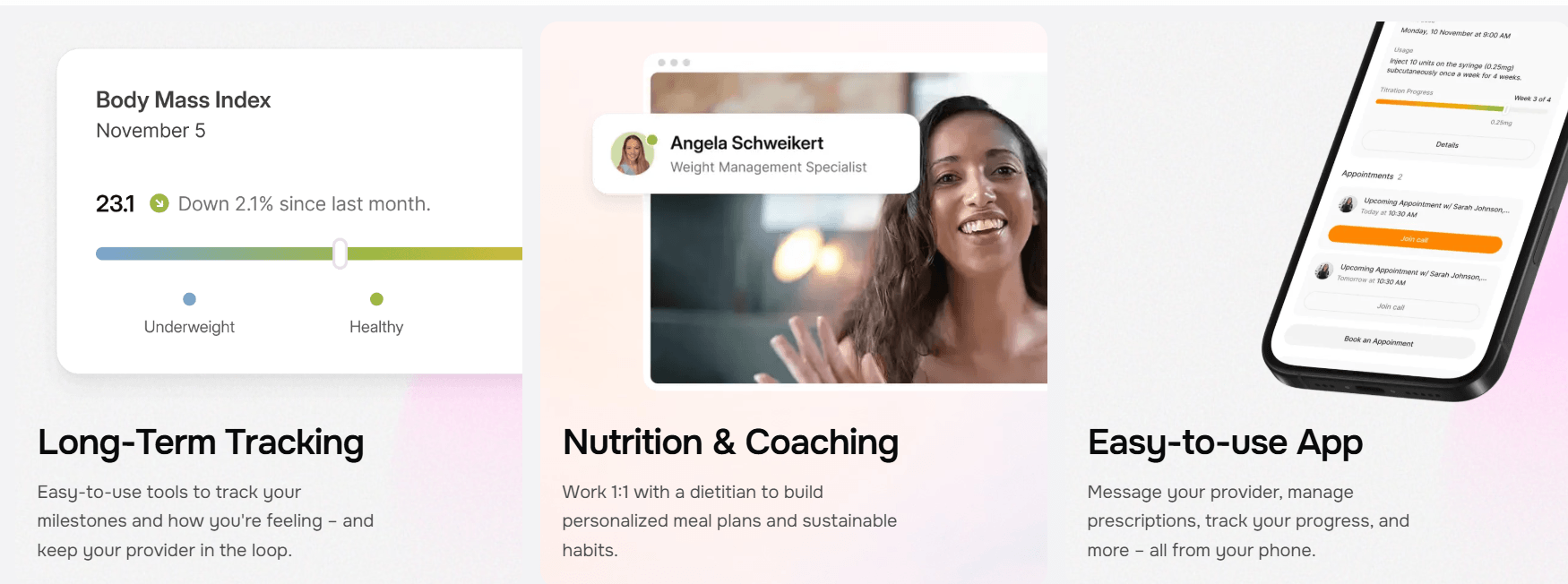
Current program materials describe access to Registered Dietitians, personalized meal guides and recipes, educational content and ongoing care-team support.
Measured also offers nutrition counseling appointments with Registered Dietitians, although the availability and cost of those services can depend on the program and insurance situation.
I like the distinction here.
The medication may be one clinical tool, but Measured isn’t presenting the prescription as the entire care plan.
The Care Team Doesn’t Disappear After the Prescription
Telehealth can sometimes sound like a very transactional process:
Fill Out Form → Get Reviewed → Receive Treatment
Measured is trying to extend the relationship beyond that initial interaction.
Its program currently includes unlimited messaging with a care team, which can include the provider, Registered Dietitian and care coordinator. Measured says medical evaluations and follow-up care can take place asynchronously through secure messaging in its patient portal.
That ongoing access makes sense for prescription care.
Questions can arise after treatment begins, circumstances can change, and a treatment plan may need to evolve.
It also reinforces something I think is important about the whole Measured model:
Getting a prescription isn’t supposed to be the end of the process.
Insurance Support Could Matter More Than It Sounds
This might be one of the least exciting-sounding parts of Measured—and one of the most practically important.
For patients with commercial insurance, Measured says it can perform a benefits check to determine which medications may be covered.
If prior authorization is required, its insurance concierge team can submit the authorization and communicate the insurer’s decision.
That doesn’t mean Measured can guarantee coverage.
It can’t.
The insurance company and the specifics of the patient’s plan ultimately determine whether a medication is covered and what the patient pays.
But having assistance navigating benefits checks and prior authorization adds another service layer beyond the clinical appointment itself.
Branded and Compounded Medications Aren’t the Same Thing
This is one distinction I definitely wouldn’t bury.
Measured currently discusses both FDA-approved medications and certain compounded medications.
Those aren’t equivalent regulatory categories.
FDA-approved drugs have undergone FDA review for safety, effectiveness and quality for their approved uses.
Compounded medications are not FDA-approved, and the FDA does not review them for safety, effectiveness or quality before they reach patients in the same way it reviews approved drugs.
Measured makes this distinction on its compounded-medication materials and says a licensed provider determines whether a compounded treatment is appropriate.
For me, that’s an important reminder not to group every medication offered through a telehealth platform under one broad label.
The specific medication matters. Its regulatory status matters. And the reason a clinician selects it matters.
The Price Depends Heavily on the Treatment Path
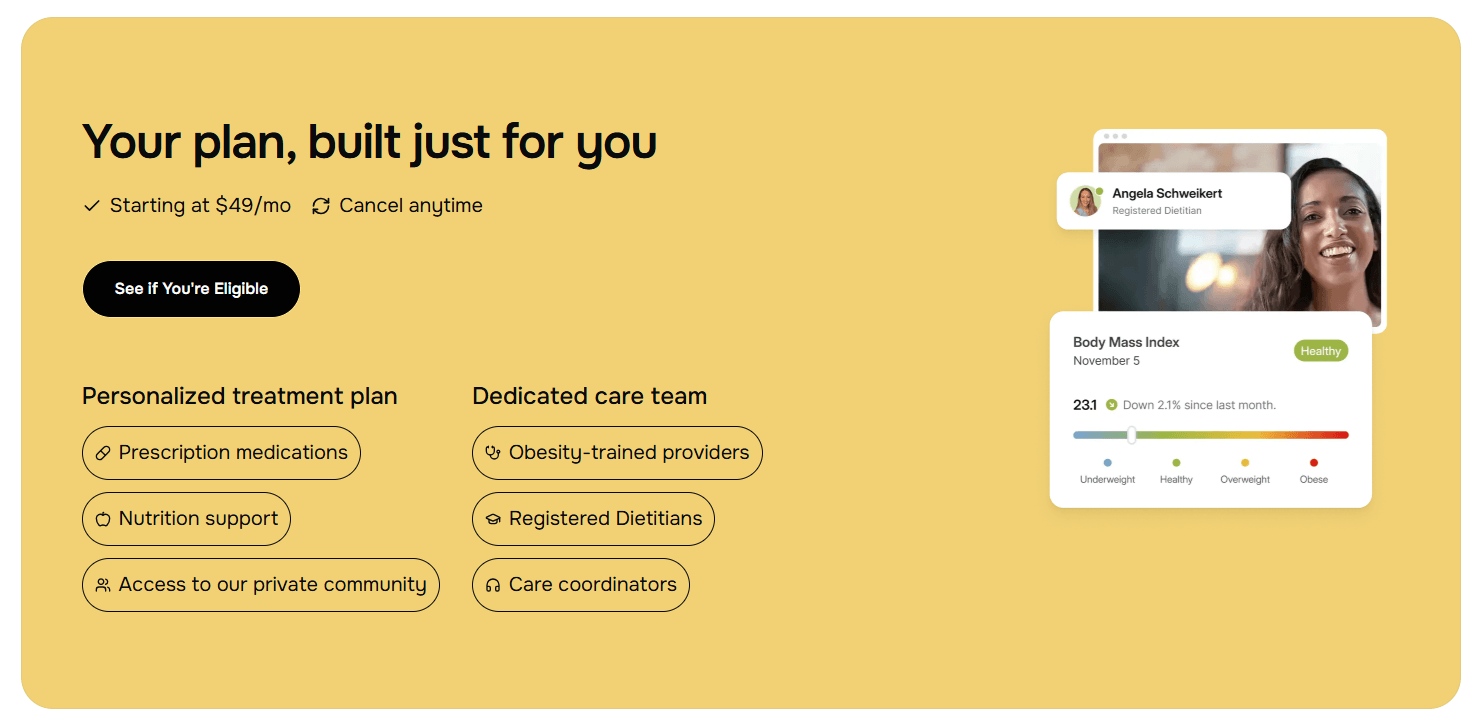
There isn’t one universal “Measured price.”
Its current medication materials advertise personalized programs starting at $49 per month, but medication costs and the total expense can vary considerably depending on the treatment route.
Insurance-covered branded medications can involve separate pharmacy costs and copays.
Cash-pay medications have their own pricing.
And some compounded programs bundle medication into the advertised membership price. Measured currently advertises compounded semaglutide programs from $119 per month and compounded tirzepatide from $219 per month, with medication included. These compounded products are not FDA-approved.
Prices, promotions, medication availability and insurance coverage can all change.
So I wouldn’t evaluate Measured based solely on the lowest number appearing on the website.
I’d want to understand membership cost + medication cost + insurance coverage + any additional care costs for the specific treatment plan being considered.
The Entire Experience Is Designed Around Telehealth
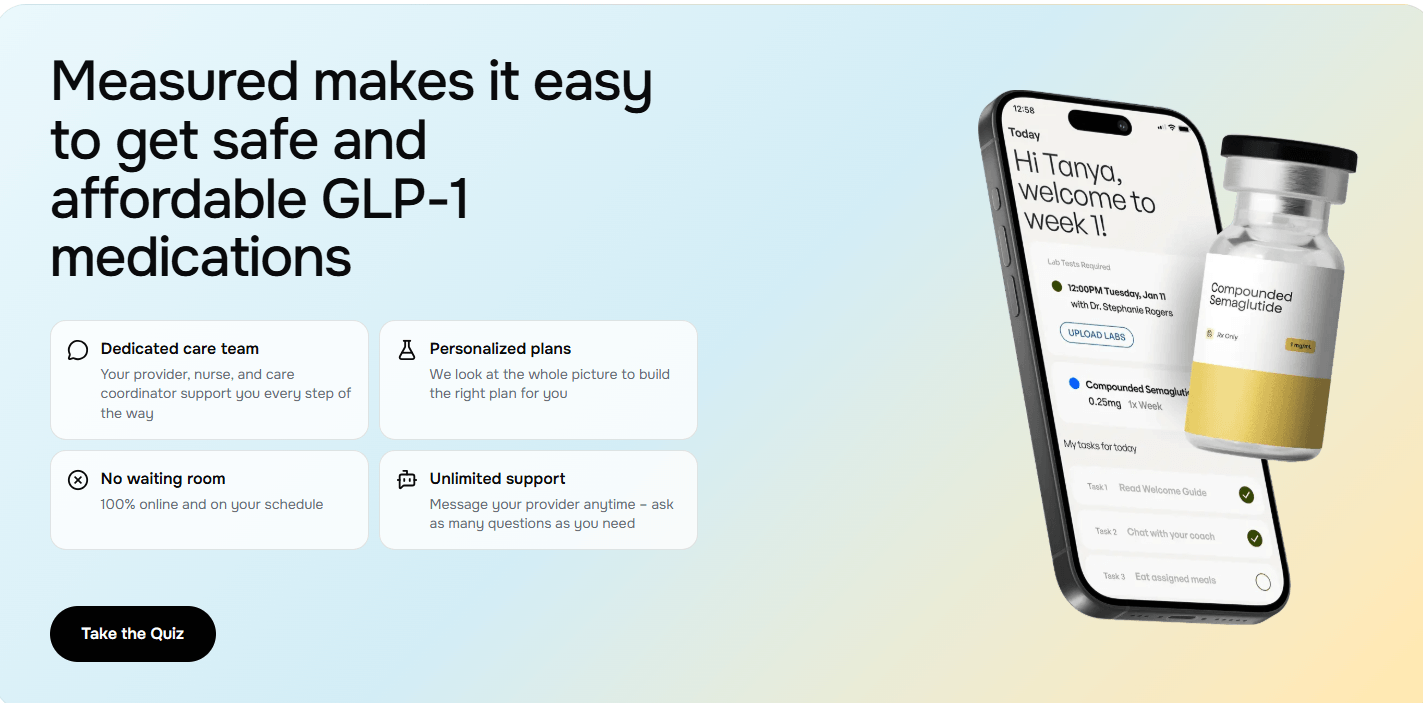
Measured’s convenience becomes much clearer when I look at the process as a whole.
The initial eligibility quiz takes only a few minutes, the medical assessment happens remotely, provider communication can happen through the patient portal and eligible medications can either be routed to a pharmacy or shipped depending on the treatment and payment route.
Measured says it currently operates across 26 states, representing roughly 80% of the U.S. population as of August 2026.
That doesn’t eliminate the medical side of the experience.
It changes where and how that care happens.
What I’d Want to Understand Before Starting
Measured makes the process look intentionally straightforward, but prescription treatment still deserves more consideration than an ordinary online subscription.
I’d want to understand the specific medication being considered, why the clinician thinks it’s appropriate, its risks and potential side effects, whether it’s FDA-approved or compounded, what follow-up care looks like and what the complete cost could be.
Eligibility also isn’t guaranteed.
A licensed provider can determine that a particular medication isn’t medically appropriate, and insurance coverage doesn’t override that clinical decision.
That’s an important boundary between convenient access to healthcare and simply making medication easier to buy.
The Final Take on Measured in 2026

After looking through Measured, I don’t think the most interesting part is simply that prescription weight-management treatment can happen online.
Plenty of telehealth companies can make that claim.
What stands out more is everything Measured has placed around the prescription:
Provider Review • Personalized Treatment • Nutrition Support • Registered Dietitians • Ongoing Messaging • Insurance Assistance • Medication Fulfillment
The platform still comes with important considerations, especially around medical eligibility, medication risks, insurance coverage, cost and the distinction between FDA-approved and compounded treatments.
But Measured’s broader model makes the concept more interesting than “get a GLP-1 online.”
It’s trying to turn what could be a single prescription transaction into an ongoing, clinician-guided care program.