
Inside DoctorDerm: How Prescription Skincare Is Moving From the Dermatologist’s Office to Your Door
When the seasons change, my skincare routine usually changes with them. September can still feel like summer. October is transitional. By November and December, cooler temperatures, lower humidity […]

When the seasons change, my skincare routine usually changes with them.
September can still feel like summer. October is transitional. By November and December, cooler temperatures, lower humidity and indoor heating can all change how skin feels — and suddenly the products that worked a few months earlier may not feel quite the same.
That made DoctorDerm particularly interesting to look at heading into the final months of 2026.
At first glance, the concept sounds straightforward: prescription skincare delivered to your home.
But that description leaves out the most important part.
DoctorDerm isn’t simply putting prescription ingredients into nicer packaging and shipping them like regular skincare. The platform connects eligible adults with licensed medical providers who can review their skin concerns remotely, determine whether prescription treatment is appropriate and create a personalized treatment plan.
Then the medication can come to you.
The result sits somewhere between telehealth, dermatology and a modern skincare subscription — and that’s what I wanted to understand better.
DoctorDerm Starts Where Most Online Skincare Brands Stop: With Medical Review

Most skincare shopping starts with me trying to figure out what I need.
Maybe I search for something for acne. Maybe I read about an ingredient. Maybe I compare reviews and eventually decide which bottle seems right.
DoctorDerm reverses that process.
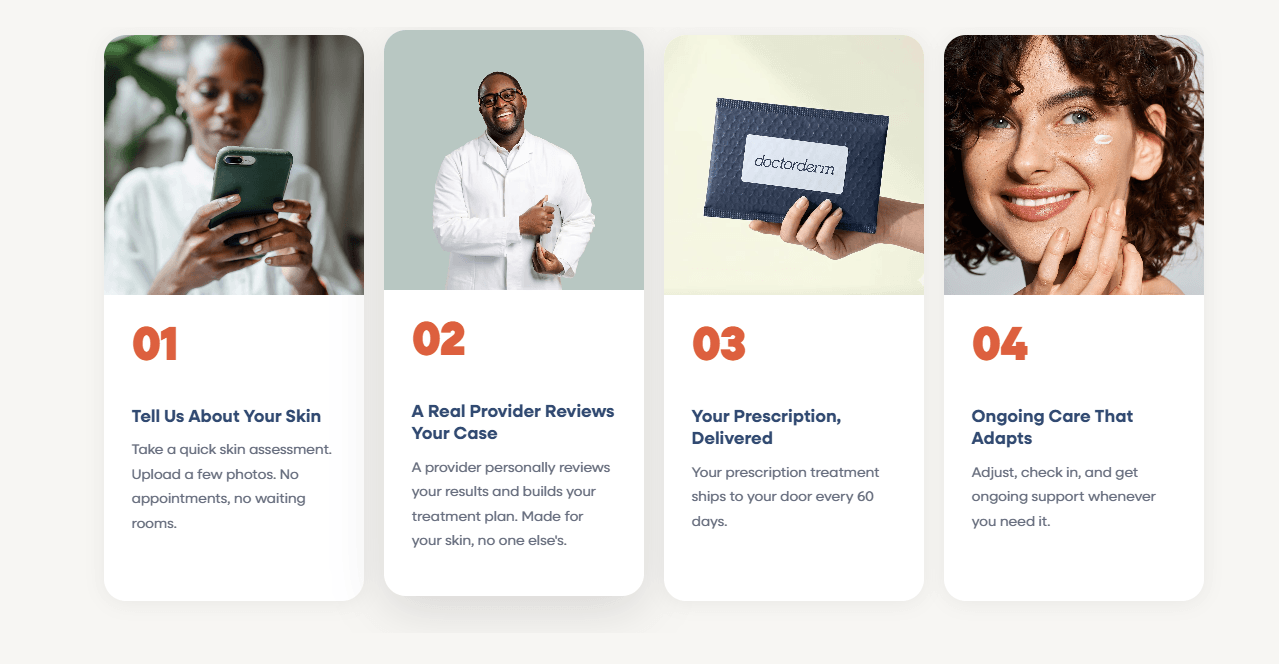
Patients begin with an online skin assessment, providing information about their skin concerns and uploading photos. A licensed medical provider then personally reviews the case and builds the treatment plan.
That makes DoctorDerm feel fundamentally different from a personalized cosmetic-skincare quiz.
The personalization isn’t just choosing between Product A and Product B. It’s part of a clinical treatment decision.
I Expected Acne Treatment. DoctorDerm Has Built Something Much Broader
Acne was the first thing I associated with an online dermatology platform.
DoctorDerm goes considerably further.
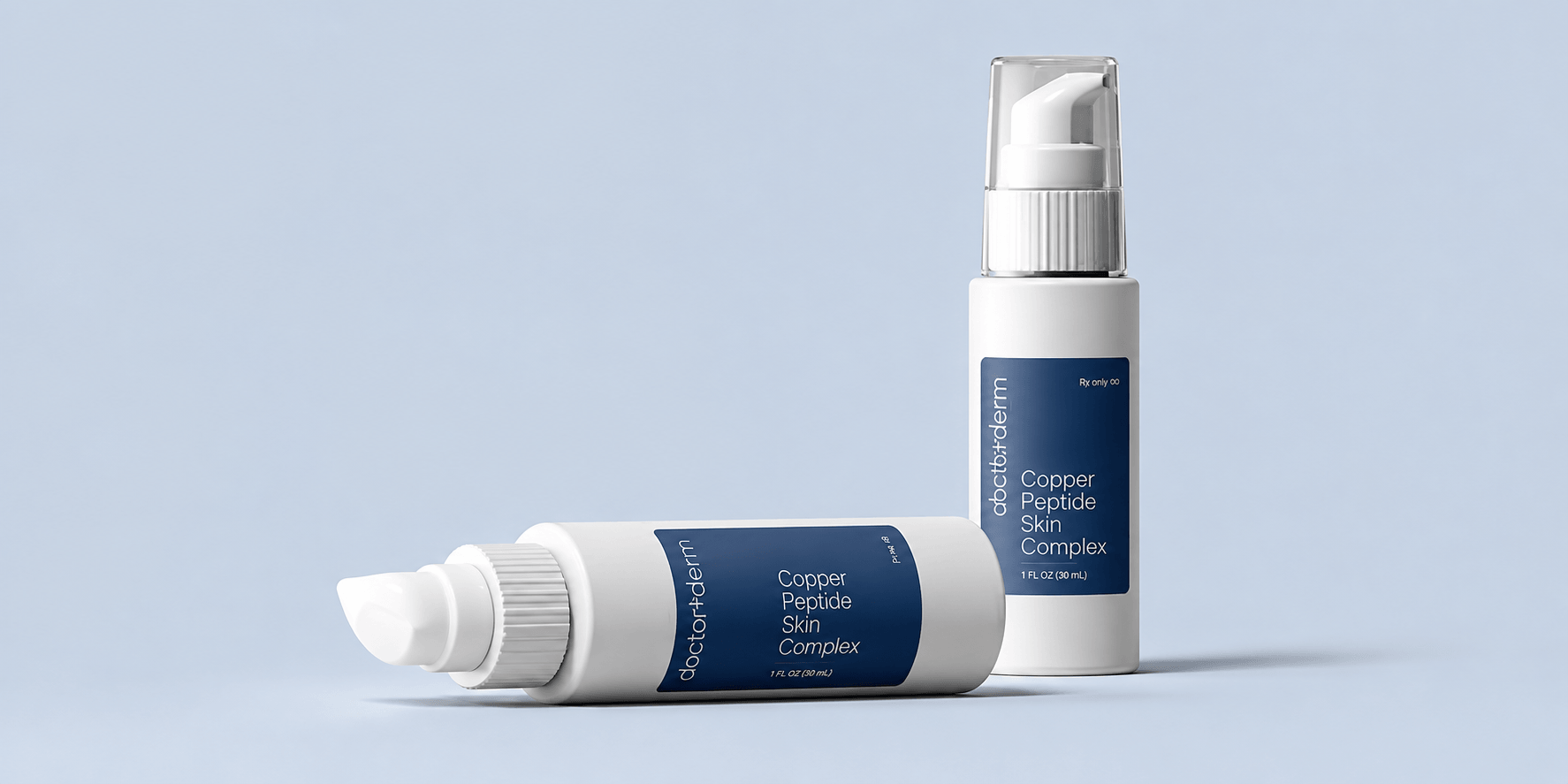
Its current 2026 lineup spans concerns including acne, rosacea, signs of aging, dark spots, eczema and unwanted facial hair. Its site also features more specialized options such as Prenatal Acne Care, Hair Removal Cream, Lash Growth Serum and Copper Peptide Skin Complex.
That range is important because it reveals what DoctorDerm appears to be building.
This isn’t just an online acne service with a few additional products attached.
It’s a broader prescription and clinically guided skincare platform, where different concerns can potentially be evaluated through the same remote-care model.
These Aren’t Ordinary Serums With Medical-Sounding Labels

Looking through the formulas was where the difference became much clearer.
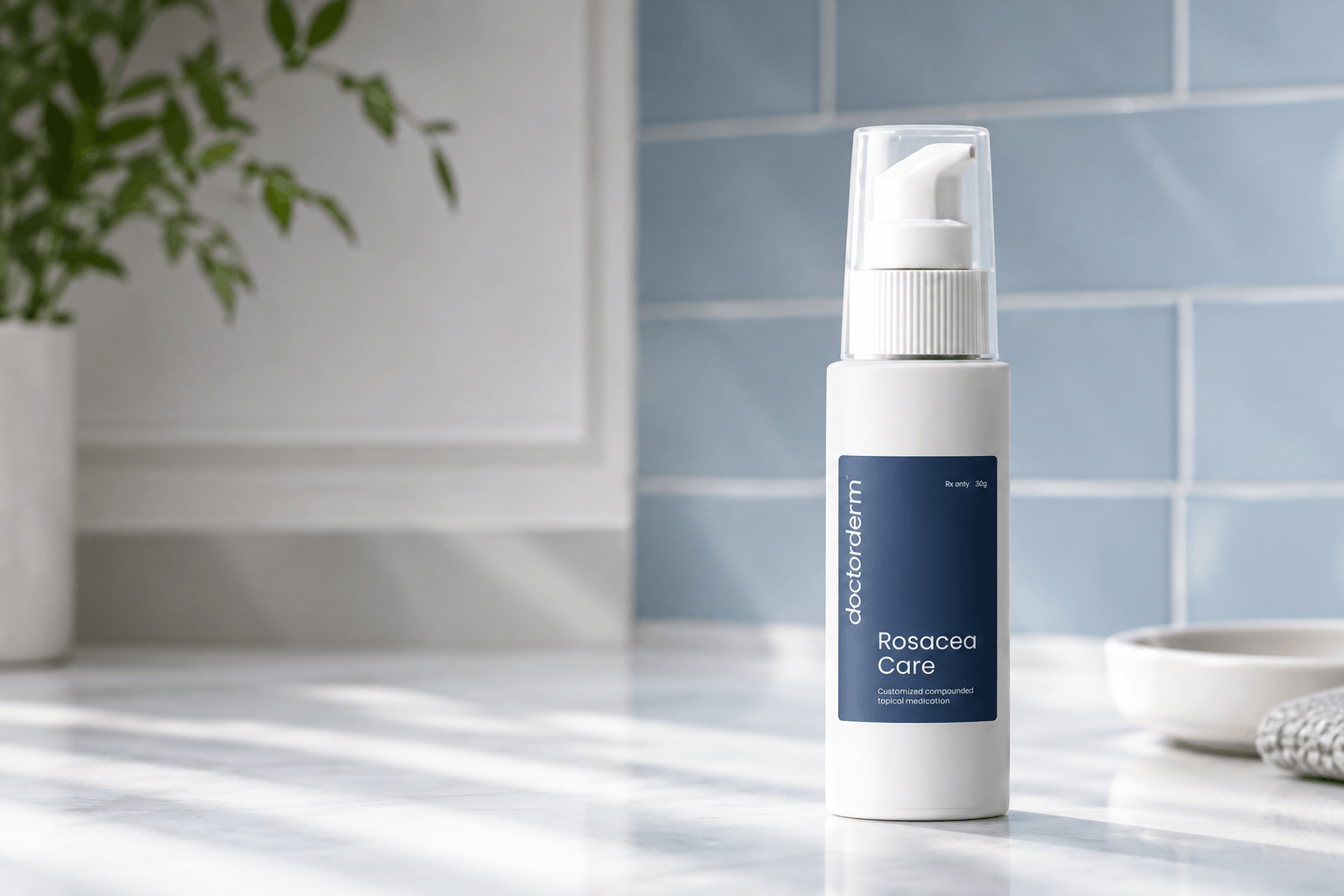
DoctorDerm’s current Acne Care formula combines clindamycin phosphate, niacinamide and tretinoin. Its Rosacea Care treatment combines ivermectin, niacinamide and oxymetazoline HCl.
Those aren’t simply cosmetic ingredients added because they’re popular in skincare.
The formulas can contain prescription medications, which is why provider review and an appropriate prescription are central to the process.
There’s also an important detail that could easily be overlooked.
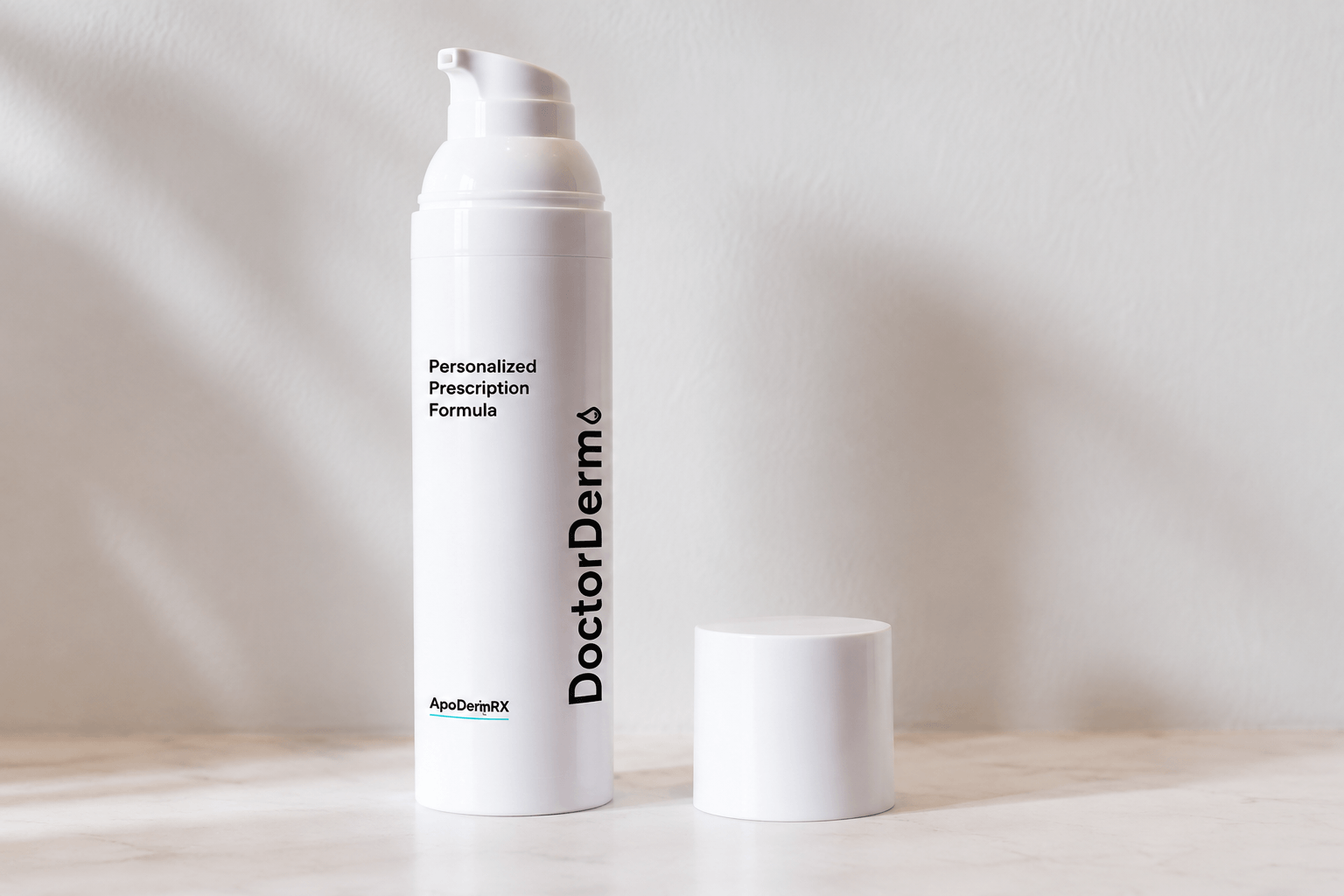
DoctorDerm states that its customized formulas are compounded medications and aren’t FDA-approved as compounded products. They’re prepared by a licensed pharmacy based on a provider’s prescription.
That doesn’t automatically make compounded medication inappropriate. It does mean I wouldn’t evaluate DoctorDerm the same way I’d evaluate an ordinary moisturizer or over-the-counter serum.
This is prescription treatment, and it deserves to be approached like prescription treatment.
The Convenience Is Digital, but the Medical Decision Is Still Human
One concern I had when looking at the model was how much of the process was actually automated.
DoctorDerm says licensed healthcare providers personally review the information and photos submitted by patients before building treatment plans.
That matters.
DoctorDerm itself provides the telehealth technology and communications platform. DoctorDerm isn’t itself a medical provider; evaluations, prescriptions and treatment plans are provided by independent licensed healthcare professionals and professional entities.
So the website facilitates the experience, but it isn’t simply generating a skincare formula from answers to an online quiz.
For eligible patients, there’s a healthcare professional on the other side of the process who determines whether prescription treatment is appropriate.
The Pharmacy Trip Has Quietly Disappeared From the Routine
Once treatment is prescribed, DoctorDerm removes another traditional step from the process.
There doesn’t necessarily have to be a separate trip to pick up the prescription.
The prescribed formula can be prepared and delivered directly to the patient’s home. DoctorDerm’s current treatment programs use a 60-day delivery cycle for certain prescription treatments.
That turns what would traditionally involve several separate interactions into a fairly compact sequence:
Online Assessment → Skin Photos → Provider Review → Prescription → Pharmacy → Home Delivery
For me, that’s where the convenience of DoctorDerm becomes much more tangible.
It’s not simply telehealth replacing the appointment.
Multiple pieces of the traditional dermatology process are being connected digitally.
The Subscription Price Makes More Sense Once You Look at What’s Included
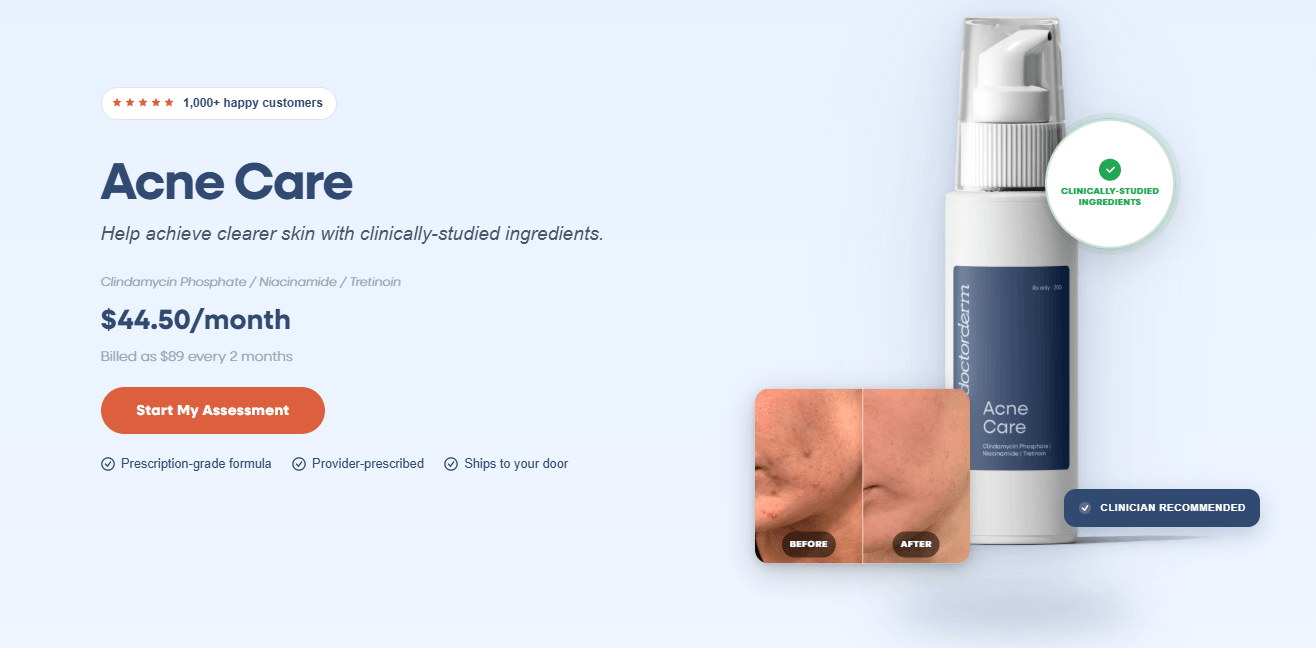
DoctorDerm currently lists Acne Care at $44.50 per month, billed as $89 every two months.
But I wouldn’t look at that number as simply the price of a bottle.
The broader DoctorDerm model combines the prescription formula with provider review, home delivery and ongoing support. Patients can check in, ask questions and have their plan adjusted when medically appropriate.
That also means it’s important to understand that certain DoctorDerm programs operate as subscriptions.
Before starting, I’d look beyond the advertised monthly equivalent and understand the billing frequency, renewal terms, cancellation rules and prescription-specific policies.
September Through December Can Change More Than the Products on My Bathroom Shelf
We’re heading into September, October, November and December 2026.
For many people, those months bring changing temperatures, humidity and indoor environments. Skin doesn’t follow a calendar perfectly, but seasonal changes can affect how an established routine feels and performs.
That’s where DoctorDerm’s ongoing-care model becomes more relevant than simply having medication shipped conveniently.
If something isn’t working, DoctorDerm says patients can check in, ask questions and have their treatment plan adjusted when appropriate. Ongoing provider support is built into its current subscription model.
That continuing relationship may ultimately be more useful than the convenience of getting another bottle in the mail.
The Most Interesting Part May Happen After the First Bottle Arrives

This was probably the biggest shift in how I viewed DoctorDerm.
Initially, I thought the story was about getting prescription skincare without visiting a dermatologist’s office.
That’s certainly part of it.
But prescription skincare often isn’t a one-and-done purchase.
Treatment can require time, monitoring and communication with a healthcare professional. Depending on the medication and the individual, a provider may need to address questions, evaluate progress or determine whether changes are appropriate.
DoctorDerm builds ongoing provider access into its model.
So the relationship can continue:
Assessment → Prescription → Treatment → Follow-Up → Provider-Guided Adjustments When Appropriate
That’s a much stronger concept than simply putting a prescription bottle into a subscription box.
There Are Good Reasons Not to Treat This Like Ordinary Skincare Shopping
The convenience of DoctorDerm shouldn’t make the medical side disappear.
Prescription treatments aren’t appropriate for everyone, and some DoctorDerm formulas contain medications with important precautions and potential side effects.
The regulatory distinction around compounded medications matters too. DoctorDerm states that its compounded formulas aren’t FDA-approved finished drug products and are prepared by licensed pharmacies according to provider prescriptions.
Telehealth also has limitations. Remote care doesn’t reproduce every aspect of an in-person medical examination, and some skin concerns may require in-person evaluation.
That’s why I’d approach DoctorDerm as healthcare delivered conveniently, rather than convenience replacing healthcare.
The Final Take on DoctorDerm in 2026
After looking more closely at DoctorDerm, I don’t think the most interesting part is any single formula.
It’s how many traditionally separate parts of prescription skincare have been brought into one experience.
Skin Assessment • Photos • Licensed Provider Review • Personalized Prescription • Pharmacy Fulfillment • Home Delivery • Ongoing Care
Heading into September, October, November and December 2026, that combination feels particularly relevant as seasonal changes can bring new considerations for established skincare routines.
DoctorDerm doesn’t eliminate the need for in-person dermatology, and telehealth won’t be appropriate for every skin concern. Prescription treatments also come with medical considerations that make professional oversight important.
But that’s ultimately what makes the model interesting.
DoctorDerm isn’t simply trying to make skincare shopping more convenient. It’s bringing certain parts of prescription dermatology care into an at-home, digitally managed experience while keeping licensed providers responsible for clinical decisions.
For adults whose needs can appropriately be managed through telehealth, it offers a glimpse at how much of the dermatology experience can now happen without the traditional waiting room.
The prescription may arrive at the door, but the medical care built around it is what makes DoctorDerm different.