
Curex (2026): What If Allergy Treatment Didn’t Mean Getting Allergy Shots?
For a long time, I associated allergy treatment with two things: Antihistamines when symptoms show up — or allergy shots when they become a bigger problem. So when […]

For a long time, I associated allergy treatment with two things:
Antihistamines when symptoms show up — or allergy shots when they become a bigger problem.
So when I started looking into Curex, the part that caught my attention wasn’t simply that it’s an online allergy clinic.
It was the idea of moving much of the immunotherapy experience out of the clinic and into the home.
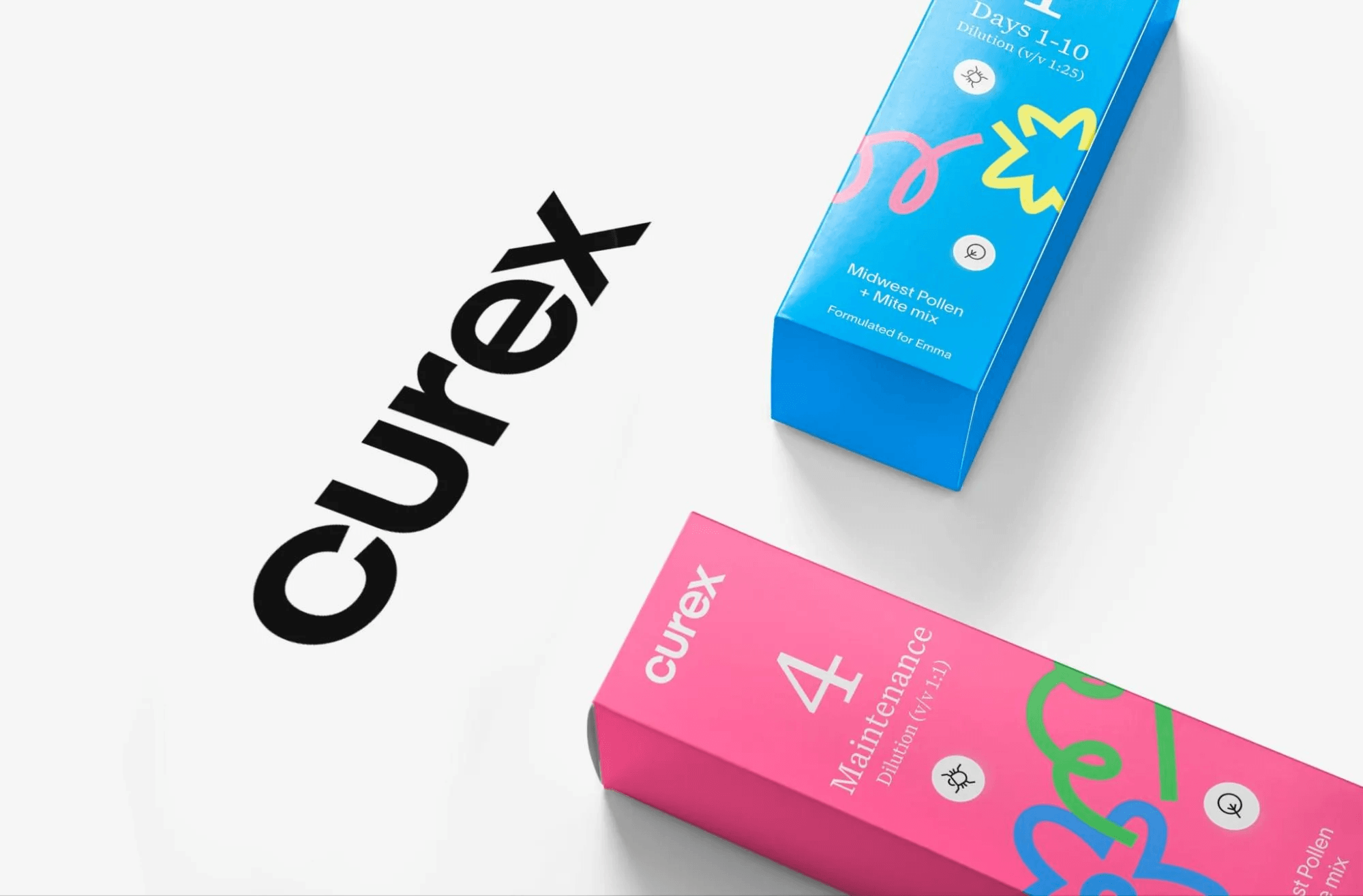
Curex offers personalized sublingual immunotherapy (SLIT) using prescription allergy drops taken under the tongue. The process can include allergy testing, clinician review, a personalized formula, home delivery and ongoing clinical care.
That’s a noticeably different experience from the repeated injections and clinic visits I normally associate with immunotherapy.
And once I understood what Curex was actually trying to do, the drops themselves became only part of the story.
Why Allergy Drops Caught My Attention
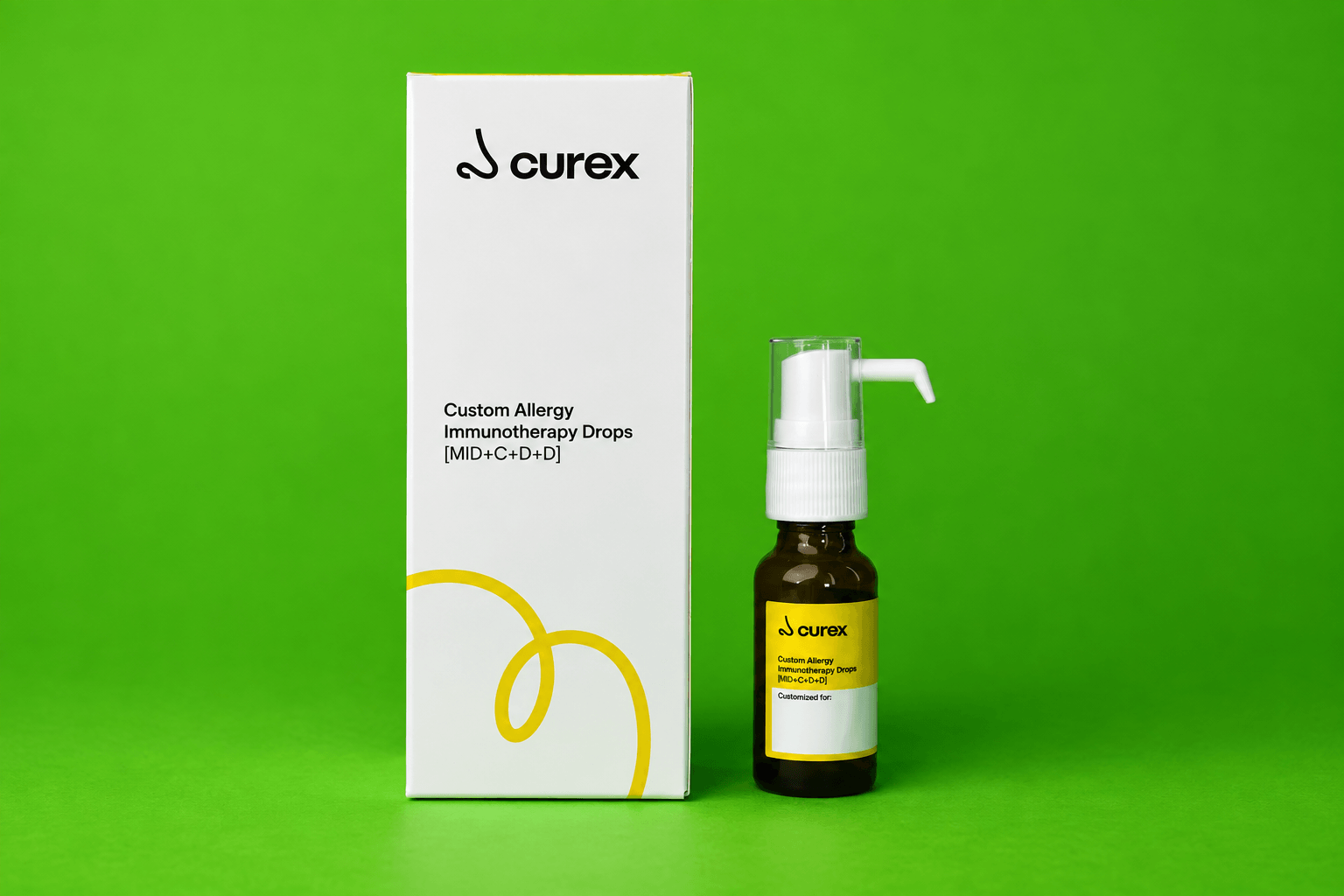
The basic idea behind allergy immunotherapy is to gradually expose the immune system to allergens with the goal of building tolerance over time.
Traditionally, one of the best-known approaches has been subcutaneous immunotherapy (SCIT) — allergy shots.
Curex takes a different route with sublingual immunotherapy, where allergenic extracts are delivered under the tongue instead.
The goal is still gradual desensitization.
The delivery method is what changes.
Curex’s allergy drops are taken at home each day, removing the need for routine clinic visits simply to receive an injection.
For me, that’s where the Curex concept starts getting interesting.
How Curex Brings Allergy Care Home
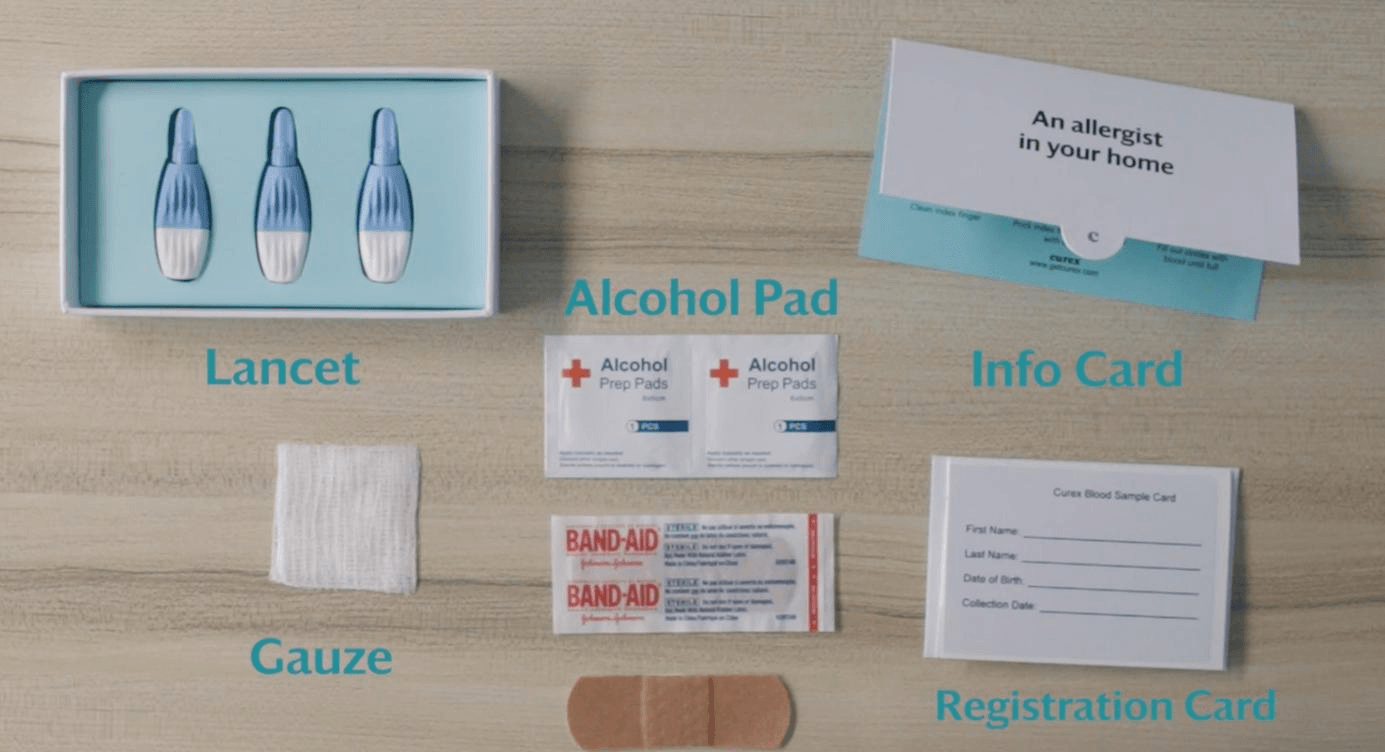
The process begins with figuring out which allergens may be causing symptoms.
Curex can use allergy testing to identify relevant sensitivities, with a clinician reviewing the results alongside medical history and symptoms.
If treatment is appropriate, a personalized prescription can then be developed and prepared by a compounding pharmacy before being shipped directly to the patient.
Ongoing clinical support is handled remotely as treatment progresses.
So instead of building the entire experience around an allergy clinic, Curex organizes much of it around:
Testing • Virtual Care • Personalized Treatment • Home Delivery • Ongoing Support
That’s a bigger change than simply swapping a needle for a bottle.
What Daily Allergy Treatment Actually Looks Like
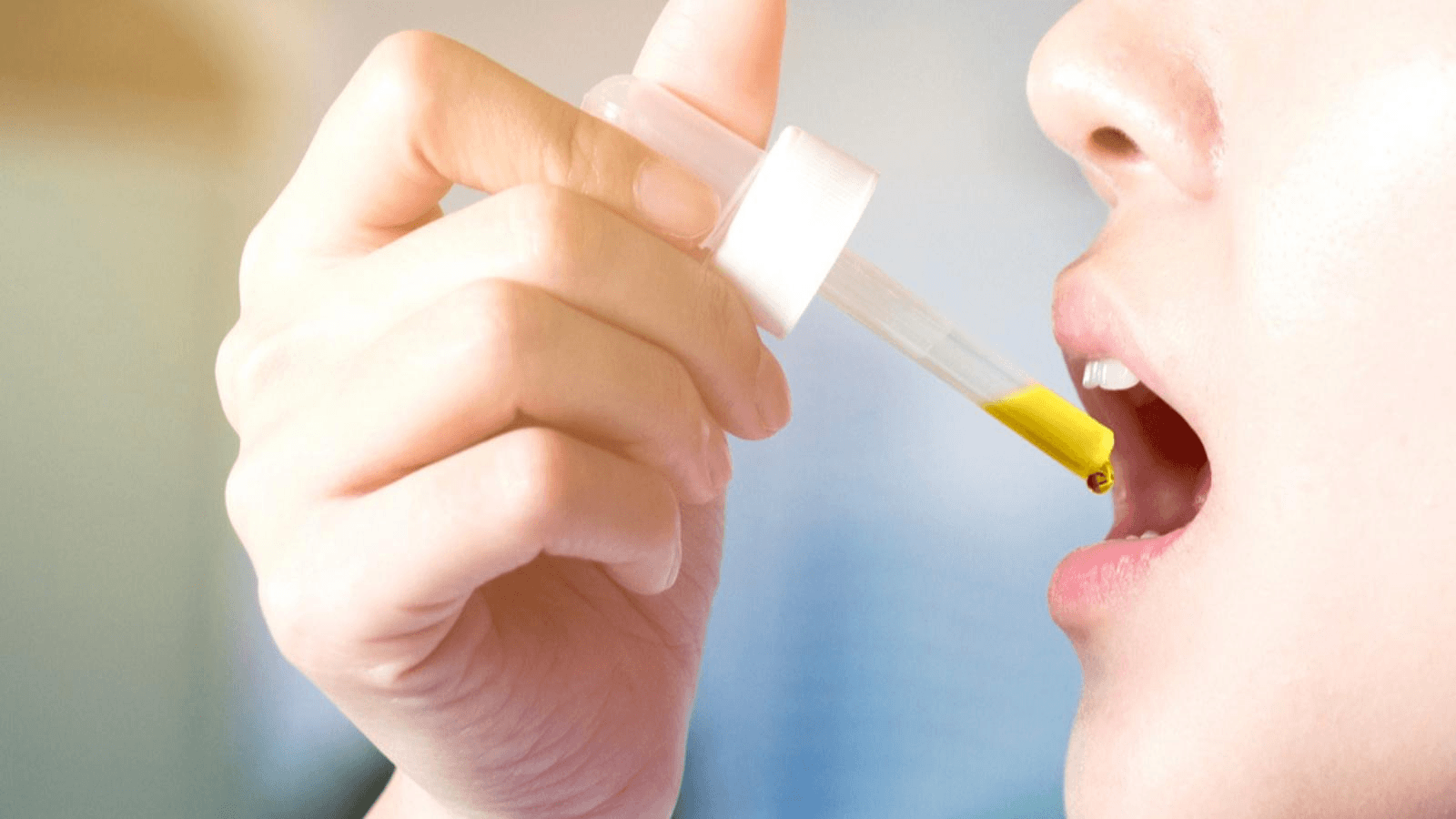
After all the testing and personalization, the everyday routine is surprisingly simple.
Curex’s allergy drops are placed under the tongue daily and held there briefly.
The formula contains allergenic extracts selected around the patient’s allergy profile and is intended to gradually expose the immune system to relevant allergens over time.
Curex offers treatment for environmental allergens including:
Tree Pollens • Weed Pollens • Dust Mites • Mold • Cats • Dogs
The exact formula depends on the individual.
But I find the contrast interesting.
The science involves gradually influencing the immune system’s response.
The daily treatment itself can take only a couple of minutes.
How Curex Personalizes Each Treatment Plan

The word “personalized” gets used constantly in healthcare, so I wanted to understand what it actually means here.
With Curex, personalization begins with the allergy profile.
Testing helps identify relevant allergens, while clinicians can also consider symptoms and medical history when developing a treatment plan.
The prescribed drops can then contain allergenic extracts selected around that individual’s needs.
That means two people using Curex aren’t necessarily receiving exactly the same formula.
And that’s an important distinction.
Curex isn’t simply selling one generic bottle of “allergy drops.”
The clinical evaluation and individualized prescription are part of the process.
Why Allergy Immunotherapy Takes Time
This was one of the most important things for me to understand.
Immunotherapy is fundamentally different from taking something intended to provide short-term symptom relief.
The goal is to gradually change the body’s response to allergens.
Curex says some patients may begin noticing improvement within 3–6 months, while its current guidance describes immunotherapy as a longer-term process, with 3+ years recommended for lasting benefit.
That changes how I’d look at Curex.
This isn’t really about:
“Will my allergies disappear tomorrow?”
It’s about a longer-term treatment approach involving consistent dosing, clinical supervision and patience.
What to Know About Curex and FDA Approval
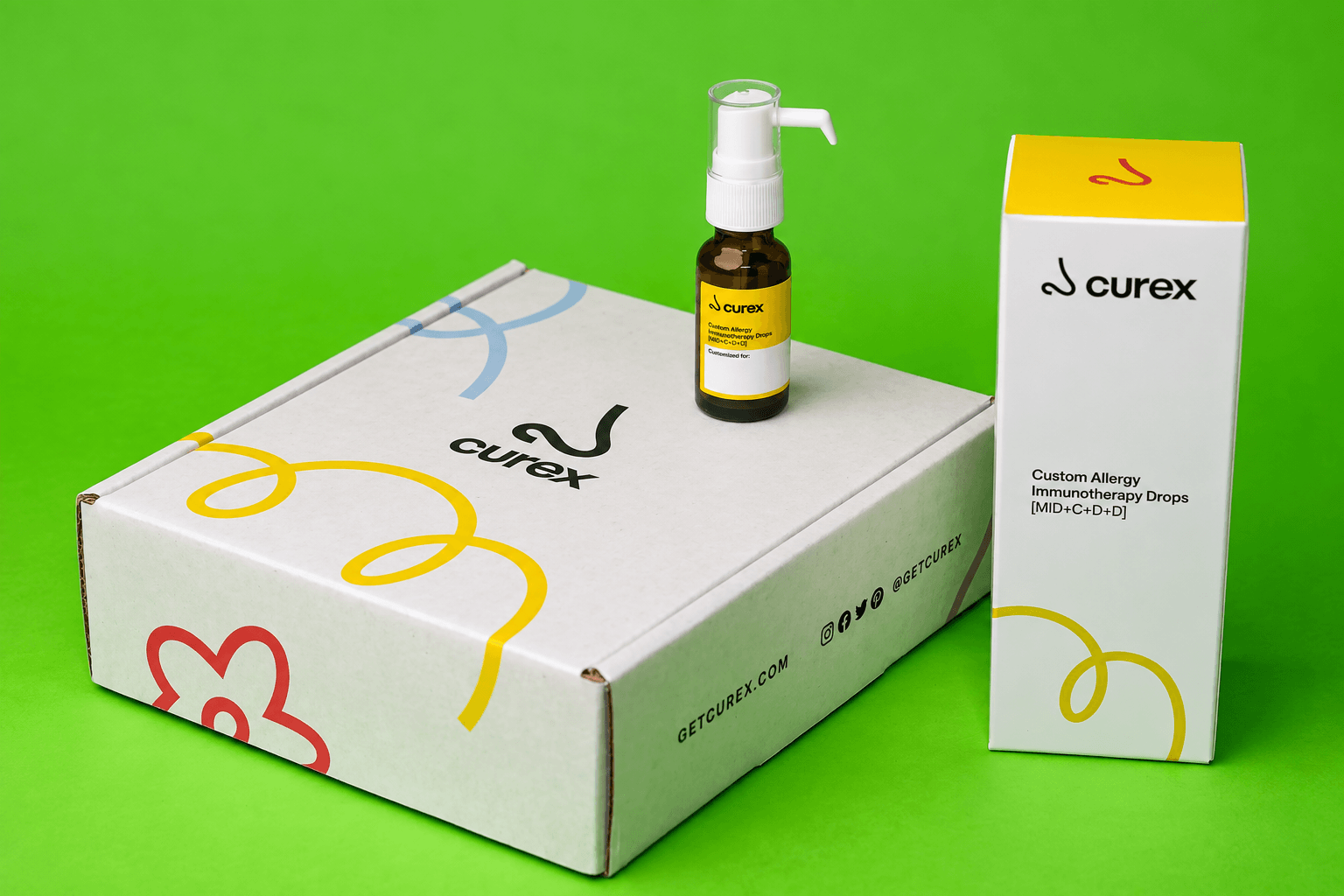
There’s an important regulatory distinction with Curex’s allergy drops.
The personalized liquid drops are compounded specifically for individual patients.
Curex states that its drops use allergenic extracts that have FDA-approved uses elsewhere, but the customized compounded drop formulations themselves are not individually FDA-approved or reviewed by the FDA for safety or effectiveness.
They may be prescribed off-label by clinicians when medically appropriate.
There are FDA-approved sublingual allergy tablets in the U.S., but those are different products covering specific allergens.
That distinction is worth understanding when looking at personalized liquid SLIT.
Breaking Down the Cost of Curex
This is one section where I’d look beyond the headline monthly number.
Curex currently advertises allergy-drop plans starting around $79 per month on several of its current treatment pages, while some pricing pages display different plan structures depending on insurance and how clinical consultations are handled.
Insurance may help with eligible clinical consultations or allergy testing, while the compounded allergy drops themselves generally aren’t billed to insurance.
Curex also accepts HSA/FSA funds.
Testing can create an additional cost as well.
So rather than focusing exclusively on the advertised monthly price, I’d look at the potential total cost of treatment, testing and clinical care under the specific plan being offered.
At-Home Treatment Still Comes With Medical Oversight

The convenience of Curex could make the experience feel almost like ordering another subscription online.
But there’s an important difference:
This is still prescription medical treatment.
Curex says its allergy drops are prescribed by clinicians, with clinical support and monitoring available throughout treatment.
The company also discusses safety precautions around treatment, including circumstances in which an epinephrine auto-injector may be required or recommended.
That’s why I wouldn’t think of Curex as a DIY allergy product.
The treatment may happen primarily at home, but the healthcare professional remains part of the process.
Why Curex Feels Different From Traditional Allergy Care
I started with one pretty simple question:
What if allergy treatment didn’t mean getting allergy shots?
But Curex’s answer goes further than replacing an injection with drops.
It takes several pieces of allergy care — testing, clinician consultations, personalized immunotherapy, treatment delivery and ongoing support — and builds much of the experience around the home.
There are still important considerations.
Treatment takes time. Pricing can vary depending on the plan, insurance and testing. Customized liquid allergy drops are compounded and used off-label. And medical supervision still matters.
But that’s also what makes Curex interesting to me.
The biggest difference isn’t simply what’s inside the bottle. It’s how Curex changes where long-term allergy treatment can fit into everyday life.